
Azerbaijani worry beads: in stock and custom made
2 finished pieces are in stock now, with prices shown on each page. Sold pieces can also serve as references for a similar custom request.
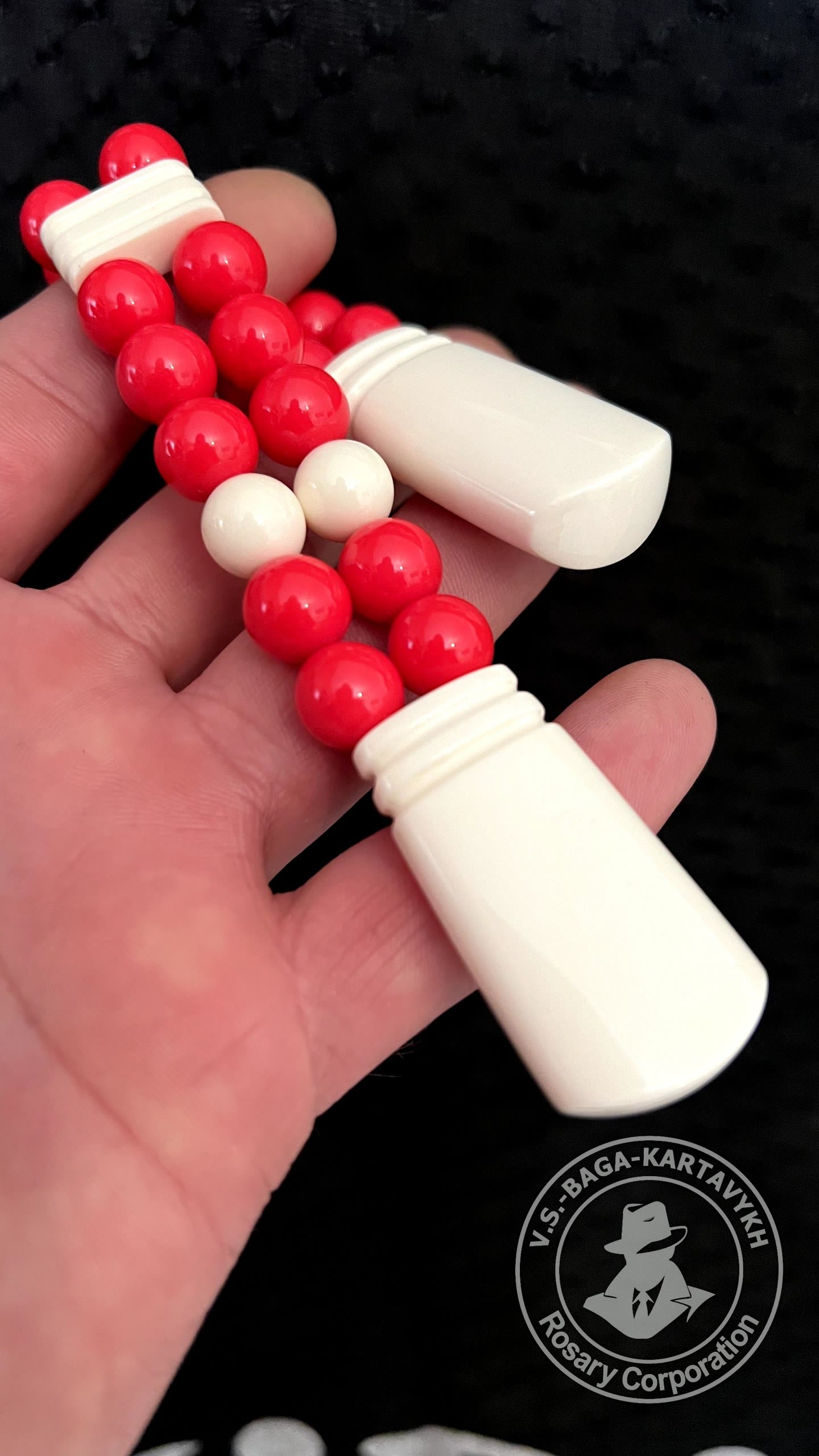
Azerbaijani worry beads — Aramith billiard ball, no. 754
Azerbaijani in Aramith billiard ball, 53 g, one of a kind
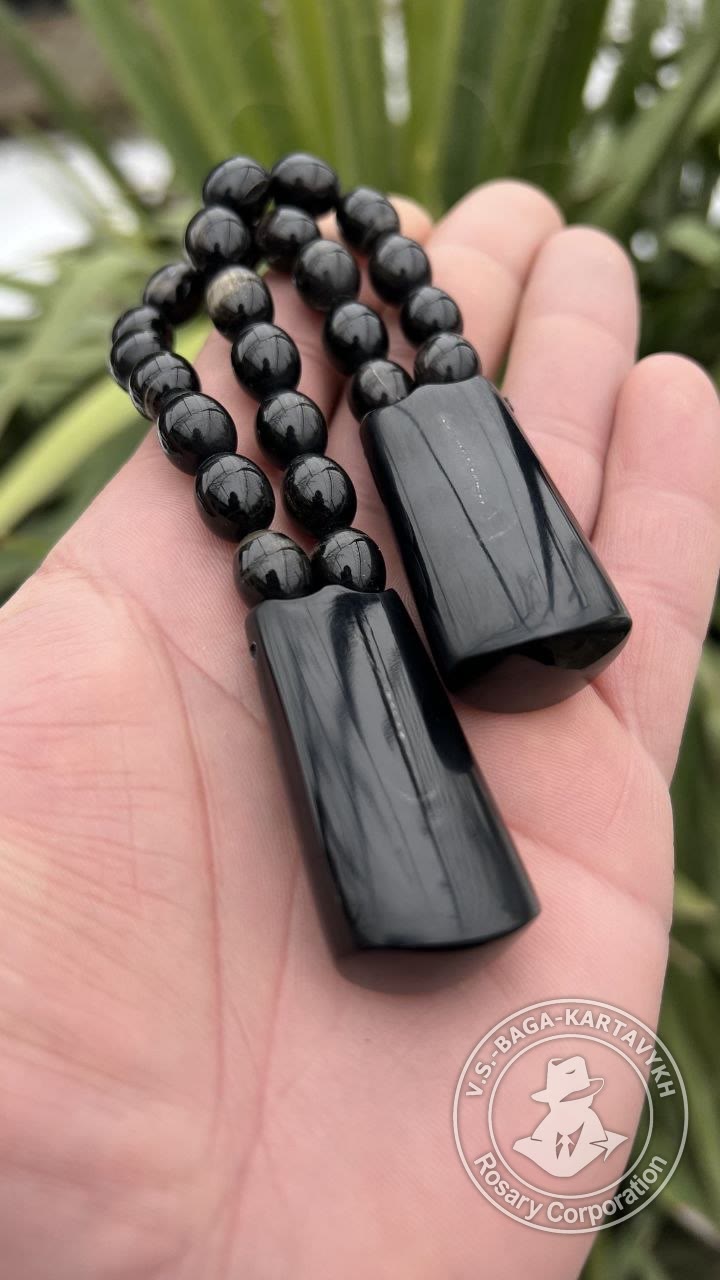
Azerbaijani worry beads — buffalo horn, no. 645
Azerbaijani in buffalo horn, handmade by Tatyana

Azerbaijani worry beads — plexiglass, no. 867
Azerbaijani in plexiglass, handmade by Aleksey

Azerbaijani worry beads — grenadill wood, no. 813
Azerbaijani in grenadill wood, handmade, one of a kind

Azerbaijani worry beads — Elforyn, no. 803
Azerbaijani in Elforyn, handmade, one of a kind
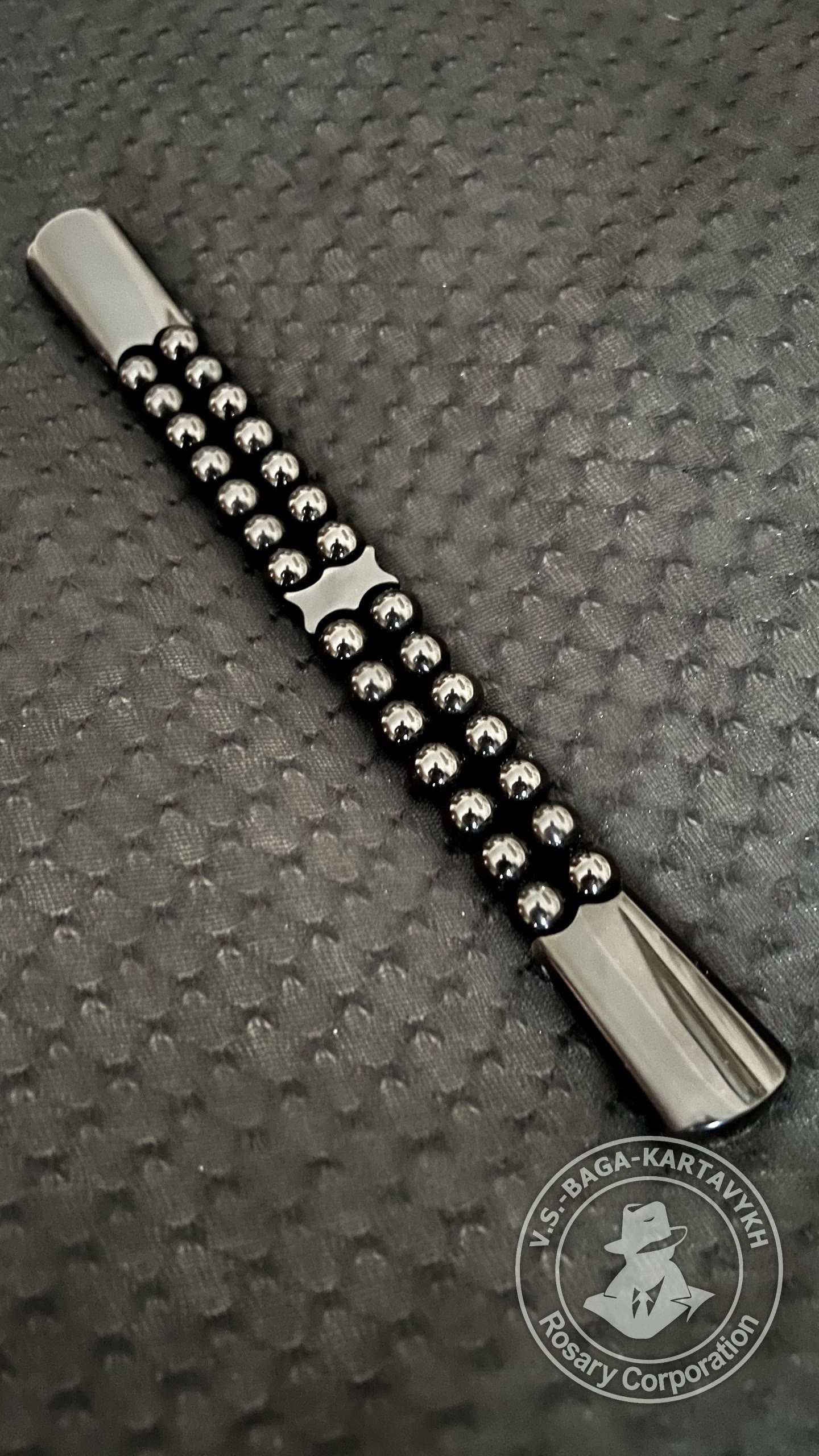
Azerbaijani worry beads — Soviet ebonite, no. 757
Azerbaijani in Soviet ebonite, handmade, one of a kind
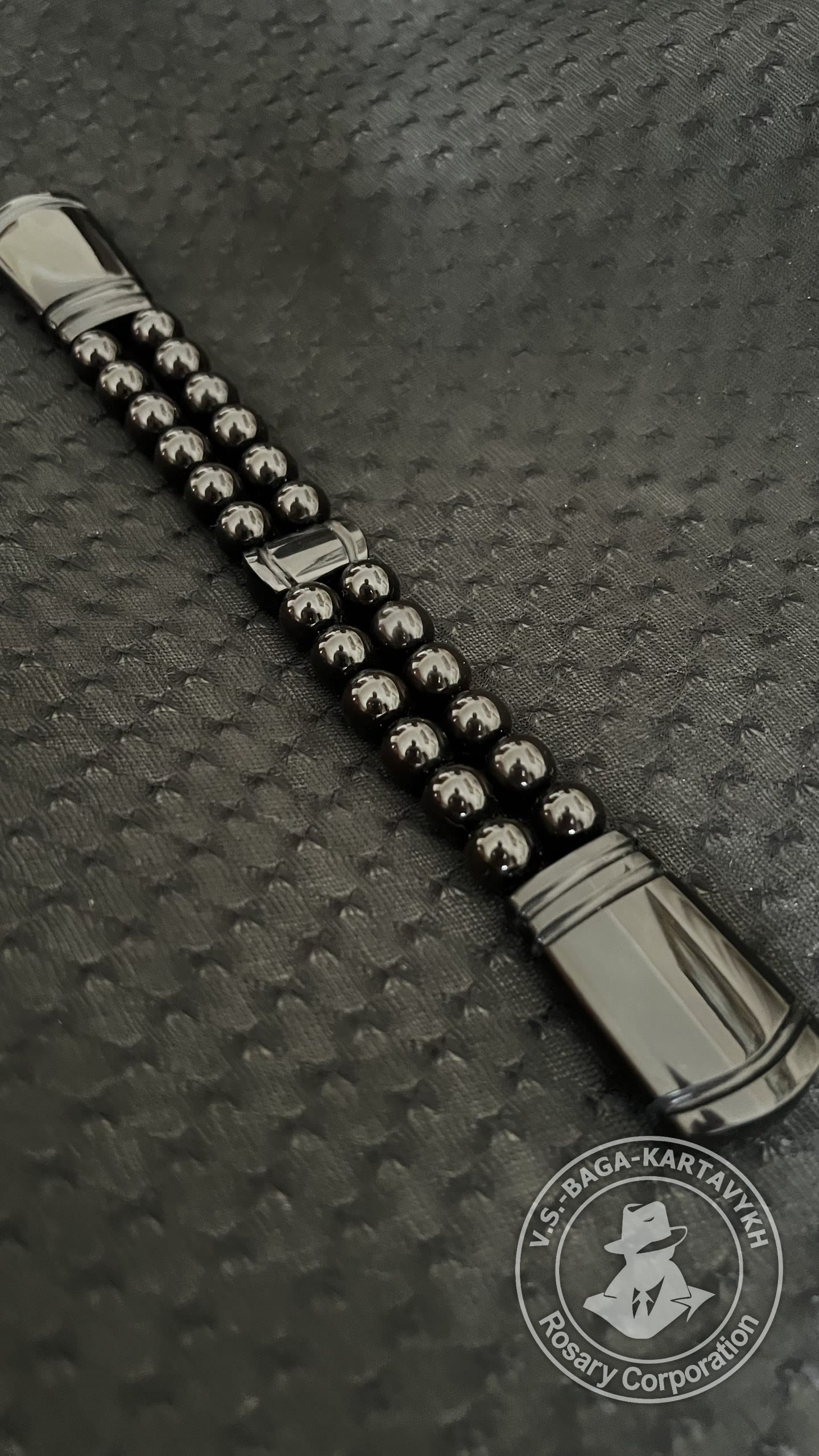
Azerbaijani worry beads — Soviet ebonite, no. 749
Azerbaijani in Soviet ebonite, 44 g, one of a kind

Azerbaijani worry beads — Aramith billiard ball, no. 670
Azerbaijani in Aramith billiard ball, 37 g, one of a kind

Azerbaijani worry beads — Soviet ebonite, no. 646
Azerbaijani in Soviet ebonite, 35 g, one of a kind

Azerbaijani worry beads — Aramith bowling ball, no. 577
Azerbaijani in Aramith bowling ball, 35 g, one of a kind

Azerbaijani worry beads — Aramith bowling ball, no. 576
Azerbaijani in Aramith bowling ball, 43.5 g, one of a kind

Azerbaijani worry beads — Soviet ebonite, no. 575
Azerbaijani in Soviet ebonite, handmade, one of a kind

Azerbaijani worry beads — Soviet ebonite, no. 500
Azerbaijani in Soviet ebonite, 40.5 g, one of a kind

Azerbaijani worry beads — mammoth ivory, no. 374
Azerbaijani in mammoth ivory, handmade, one of a kind

Azerbaijani worry beads — juma, no. 373
Azerbaijani in juma, handmade, one of a kind

Azerbaijani worry beads — mammoth ivory, no. 304
Azerbaijani in mammoth ivory, handmade by Zhenya Kartavyh

Azerbaijani worry beads — German colored ebonite, no. 241
Azerbaijani in German colored ebonite, handmade by Zhenya Kartavyh

Azerbaijani worry beads — Soviet ebonite, no. 219
Azerbaijani in Soviet ebonite, handmade, one of a kind

Azerbaijani worry beads — Soviet ebonite, no. 131
Azerbaijani in Soviet ebonite, 43.5 g, one of a kind

Azerbaijani worry beads — Soviet ebonite, no. 74
Azerbaijani in Soviet ebonite, handmade, one of a kind

Azerbaijani worry beads — whale bone, no. 61
Azerbaijani in whale bone, 65 g, one of a kind
No pieces match these filters. Change the selection or reset the filters.
Azerbaijani beads are strings made in the recognisable Azerbaijani telling tradition: with a characteristic set, bead proportions and the overall school that took shape in the South Caucasus, where the culture of tasbih beads is especially developed. The name points to a regional style rather than a specific cut; behind it stands a particular way of rolling and stringing a strand, recognisable to connoisseurs. Such beads typically feature a well-judged balance of grains and a comfortable, fluid run tuned for active, frequent one-handed telling — the region's traditional manner. They are worked briskly and rhythmically, with practised, habitual motions; the strand answers the hand well and holds a set tempo. The sound is clean and rhythmic, with a recognisable dense tumble. The model's signature is not a single feature of form but a whole stylistic school: proportions, balance and character of run kept within the regional tradition. The style shows best on materials prized within that tradition — amber and its analogues, mammoth ivory , dense woods and horn — where warm material and a well-judged set give exactly that characteristic, lived-in run.
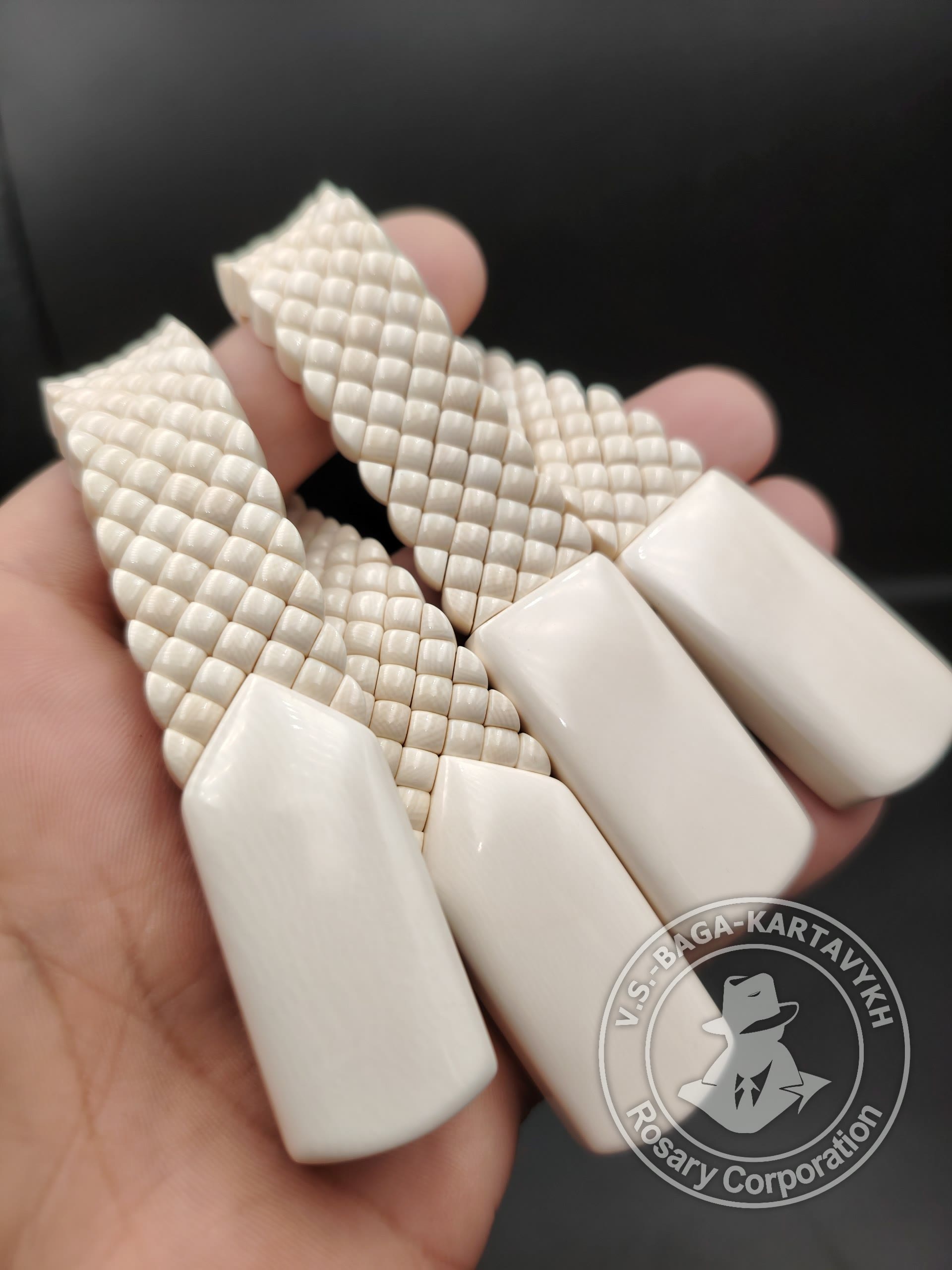
Who Azerbaijani worry beads: in stock and custom made worry beads are for
This page helps explain the character of the form and choose beads for the hand, motion, gift or collection.
Every form has a character: some models are better for flipping, others for calm handling or collecting.
Pay attention to length, weight, bead form and material — they define the feel in the hand.
If you are unsure, we can choose a model by hand, budget and purpose: yourself, gift, flipping or collecting.