
Gorbushki worry beads: in stock and custom made
1 finished piece is in stock now, with prices shown on each page. Sold pieces can also serve as references for a similar custom request.
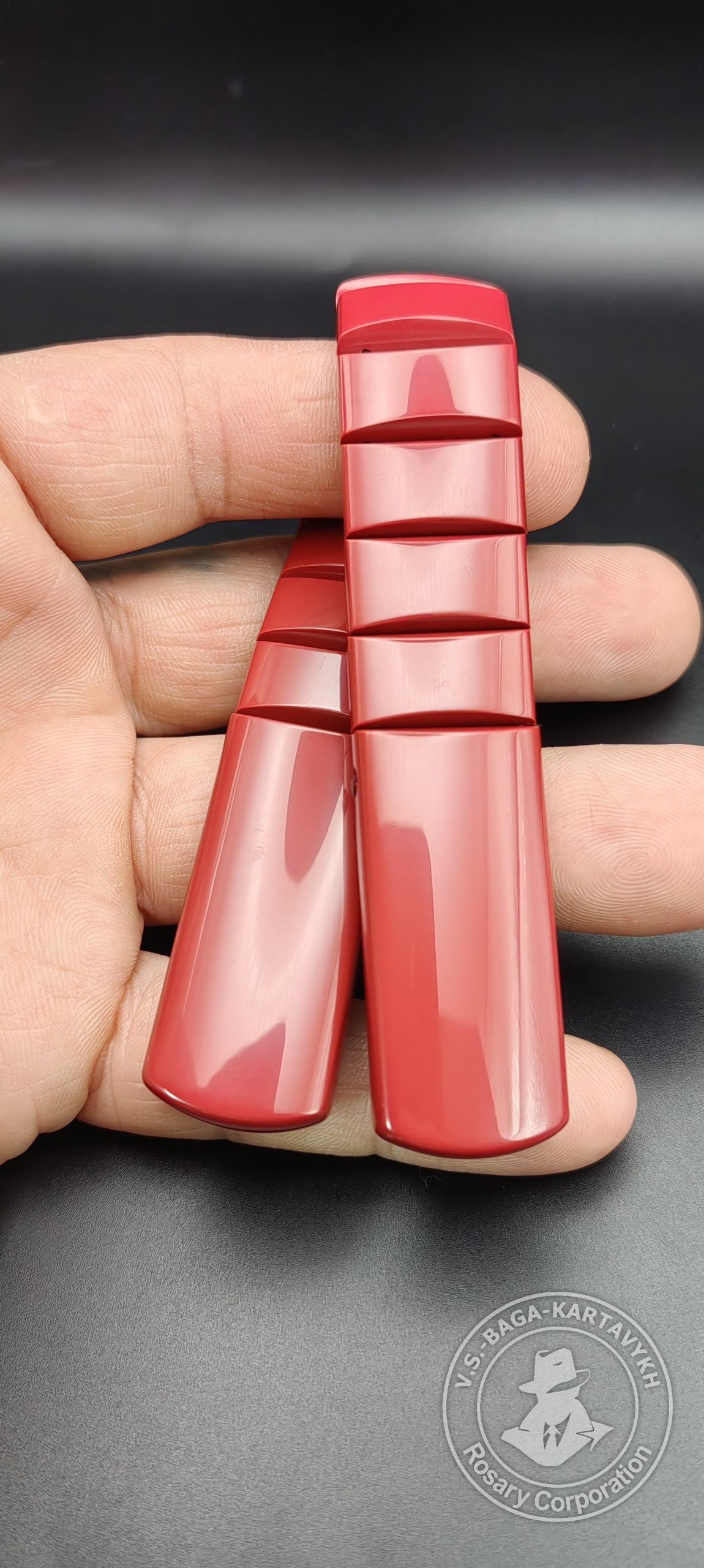
Gorbushki worry beads — Aramith bowling ball, no. 861
Gorbushki in Aramith bowling ball, 41 g, one of a kind
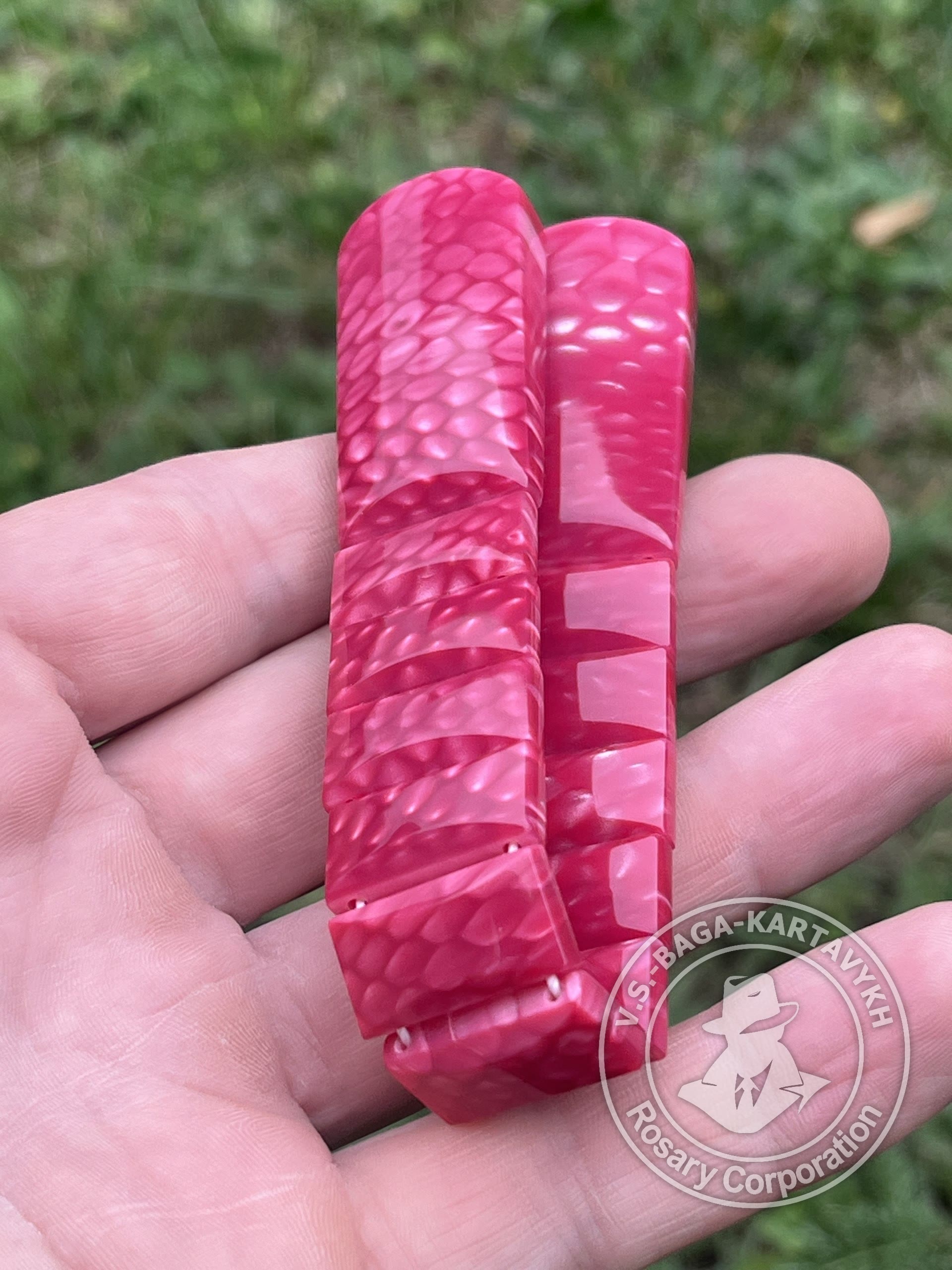
Gorbushki worry beads — juma, no. 901
Gorbushki in juma, handmade by Vitaliy

Gorbushki worry beads — juma, no. 686
Gorbushki in juma, 37 g, one of a kind

Gorbushki worry beads — buffalo horn, no. 598
Gorbushki in buffalo horn, handmade, one of a kind

Gorbushki worry beads — micarta, no. 485
Gorbushki in micarta, handmade by Zhenya Kartavyh

Gorbushki worry beads — micarta, no. 484
Gorbushki in micarta, handmade, one of a kind

Gorbushki worry beads — elephant ivory, no. 474
Gorbushki in elephant ivory, handmade by Vitaliy

Gorbushki worry beads — micarta, no. 344
Gorbushki in micarta, 38 g, one of a kind

Gorbushki worry beads — German colored ebonite, no. 305
Gorbushki in German colored ebonite, 40 g, one of a kind

Gorbushki worry beads — juma, no. 284
Gorbushki in juma, handmade, one of a kind

Narkomanki worry beads — juma, no. 277
Narkomanki in juma, 32 g, one of a kind

Gorbushki worry beads — juma, no. 270
Gorbushki in juma, 35 g, one of a kind

Gorbushki worry beads — mammoth ivory, no. 264
Gorbushki in mammoth ivory, handmade by Zhenya Kartavyh

Gorbushki worry beads — textolite, no. 242
Gorbushki in textolite, handmade by Zhenya Kartavyh

Gorbushki worry beads — elephant ivory, no. 87
Gorbushki in elephant ivory, handmade, one of a kind

Gorbushki worry beads — mammoth ivory, no. 86
Gorbushki in mammoth ivory, handmade, one of a kind
No pieces match these filters. Change the selection or reset the filters.
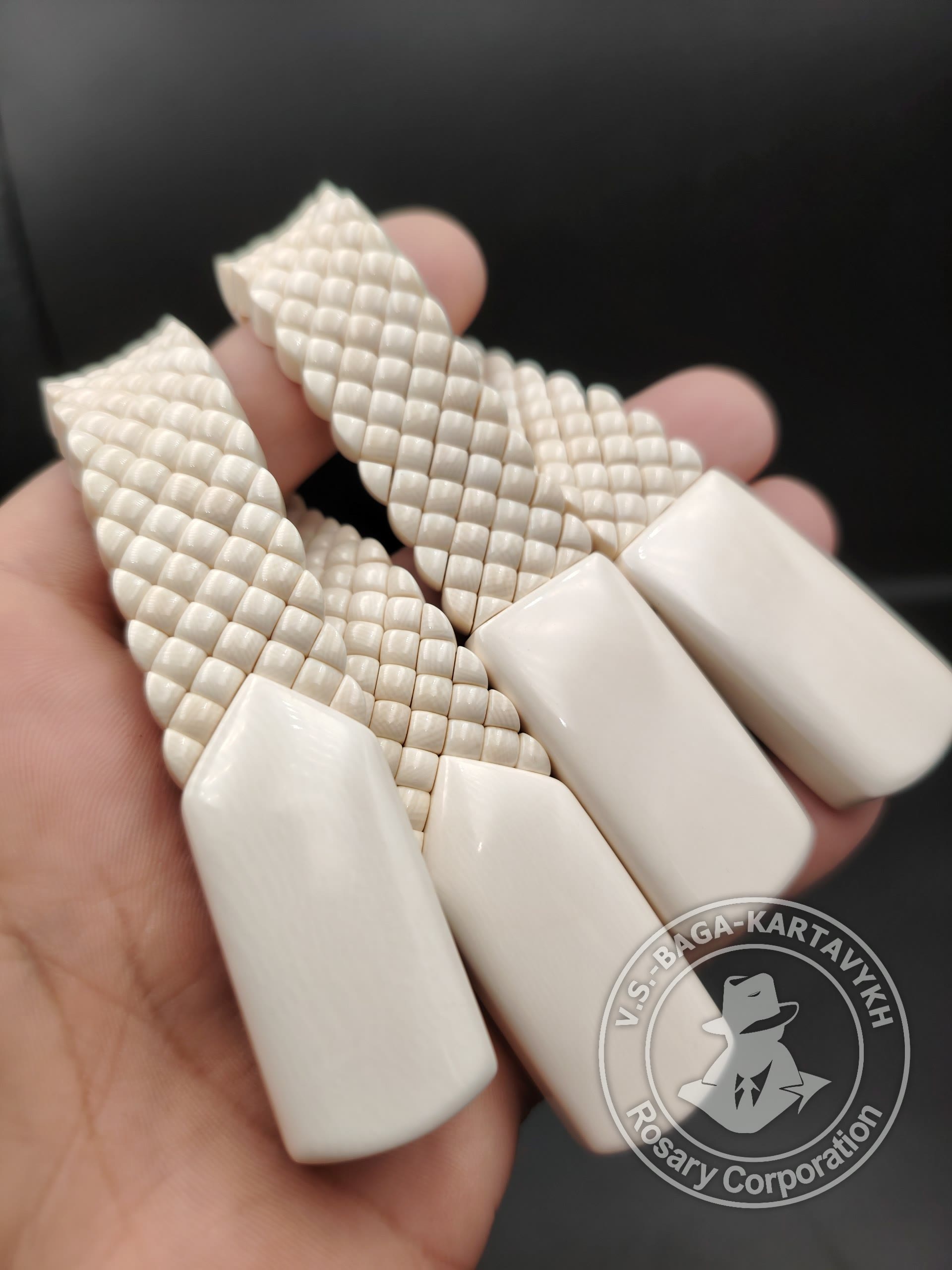
Gorbushki are strings with beads of a convex, humped profile: each grain swells noticeably toward the middle in a smooth hump and draws in at the ends, giving the strand a rhythmic, wavy silhouette. The name is homely and pictorial — the form is called this for the distinctive little hump on every bead. The convex middle not only looks lively but seats comfortably in the pad of the finger: that hump is pleasant to catch when flipping, while the tapers toward the ends set a clear step along the cord. Gorbushki are worked confidently and with good control — the convex profile gives the fingers a handy purchase, the beads don't slip and flip predictably. The sound is collected, with a soft, rounded tumble and no harshness of edges. The model's signature is its expressive, three-dimensional silhouette and considered ergonomics: gorbushki are at once decorative and very hand-friendly. The form shows best on warm, dense materials that polish well and gain depth on the swells — mammoth ivory , aged wood, horn and amber — where the rounded hump catches a soft highlight and, over time, takes a finger-loved patina.
Who Gorbushki worry beads: in stock and custom made worry beads are for
This page helps explain the character of the form and choose beads for the hand, motion, gift or collection.
Every form has a character: some models are better for flipping, others for calm handling or collecting.
Pay attention to length, weight, bead form and material — they define the feel in the hand.
If you are unsure, we can choose a model by hand, budget and purpose: yourself, gift, flipping or collecting.