
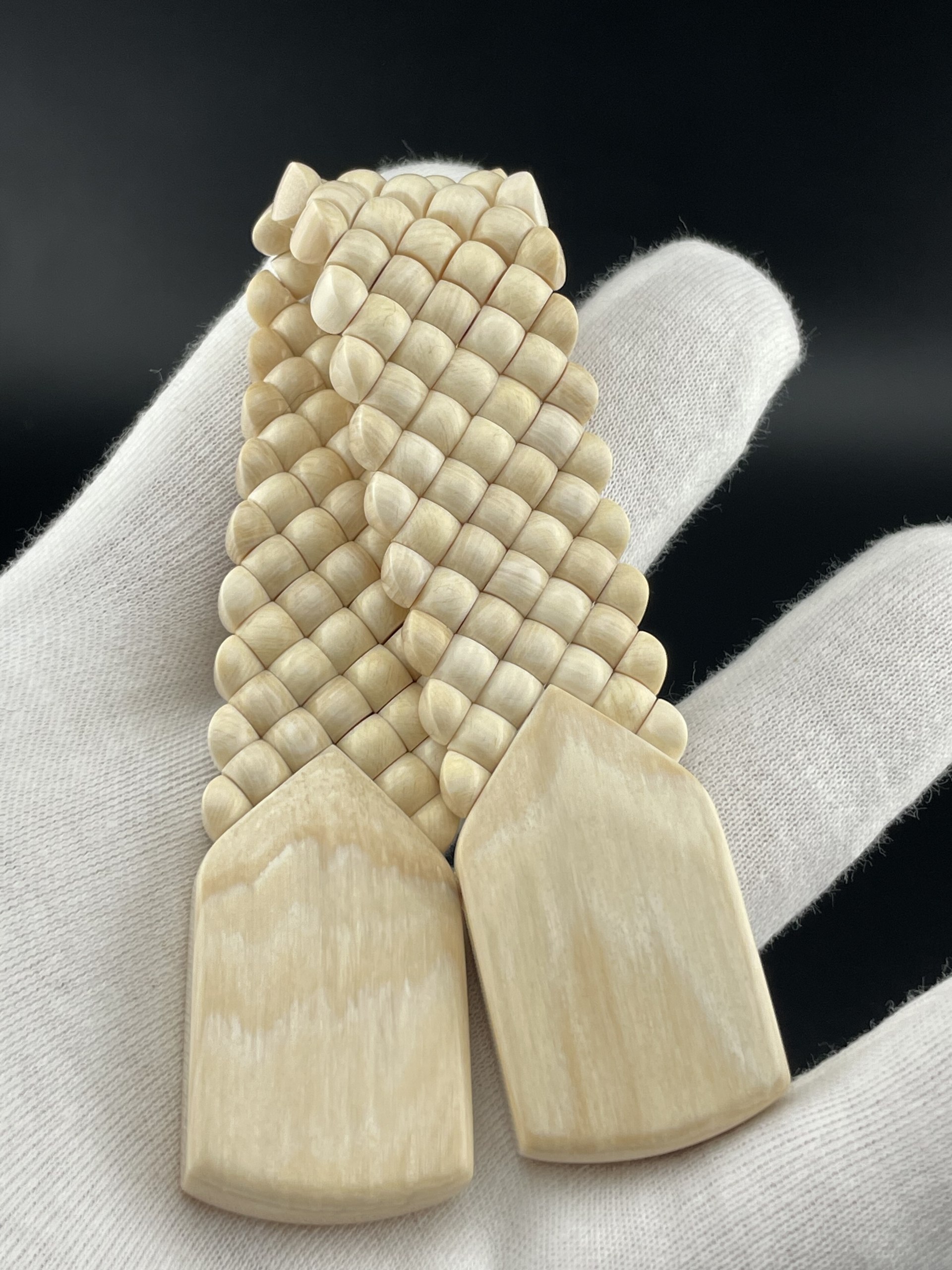
Model: Carpet
Detailed model description
What is a Carpet?
Carpet worry beads are one of the most complex models in the world of worry beads. Makers who produce them undertake some of the most demanding work in the field.
What makes this model so difficult?
The difficulty lies in its many rows and the number of links. An original Carpet begins with seven rows and may reach thirteen. The number of elements that must be shaped by hand is formidable.
A maker may spend weeks, and sometimes months, on one piece.
Seven-row Carpet
| Link size | Number of links | Total width |
|---|---|---|
| 4×4 mm | ≈164 | 18.5 mm |
| 5×5 mm | ≈131 | 25.5 mm |
| 6×6 mm | ≈109 | 32.5 mm |
Nine-row Carpet
| Link size | Number of links | Total width |
|---|---|---|
| 4×4 mm | ≈205 | 25.5 mm |
| 5×5 mm | ≈164 | 32.5 mm |
| 6×6 mm | ≈137 | 39.5 mm |
Eleven-row Carpet
| Link size | Number of links | Total width |
|---|---|---|
| 4×4 mm | ≈246 | 32.5 mm |
| 5×5 mm | ≈197 | 39.5 mm |
| 6×6 mm | ≈164 | 46.5 mm |
Thirteen-row Carpet
| Link size | Number of links | Total width |
|---|---|---|
| 4×4 mm | ≈286 | 39.5 mm |
| 5×5 mm | ≈229 | 46.5 mm |
| 6×6 mm | ≈191 | 53.5 mm |
All values are approximate and depend on link geometry and the maker’s technique.
Carpet model statistics
These are calculated figures for two 48 mm end pieces and a total piece length of 220 mm. All dimensions are approximate: a maker may use intermediate link sizes such as 4.5×4.5 mm or 5.5×5.5 mm.
On average, a skilled maker needs about four days for a seven-row Carpet with 5×5 mm links.
Link shape and debates in the worry-bead world
In this context, Carpet is a specific model that begins with at least seven rows. An original Carpet may have from seven to thirteen rows.
The decisive condition is the link shape. It must be square or an inverted diamond made of four 90-degree angles. In essence, these are the same geometry.
Elongated diamond-shaped links make it another model, even when a piece contains 130 or more parts. Carpet is not a general name for every model with many parts: it has its own defined geometry.
Carpet should not be confused with five-row Mosaic , where a link is usually a 7–8 mm cube. Making seven Mosaic rows with 7×7 or 8×8 mm cubes does not automatically turn it into a Carpet.
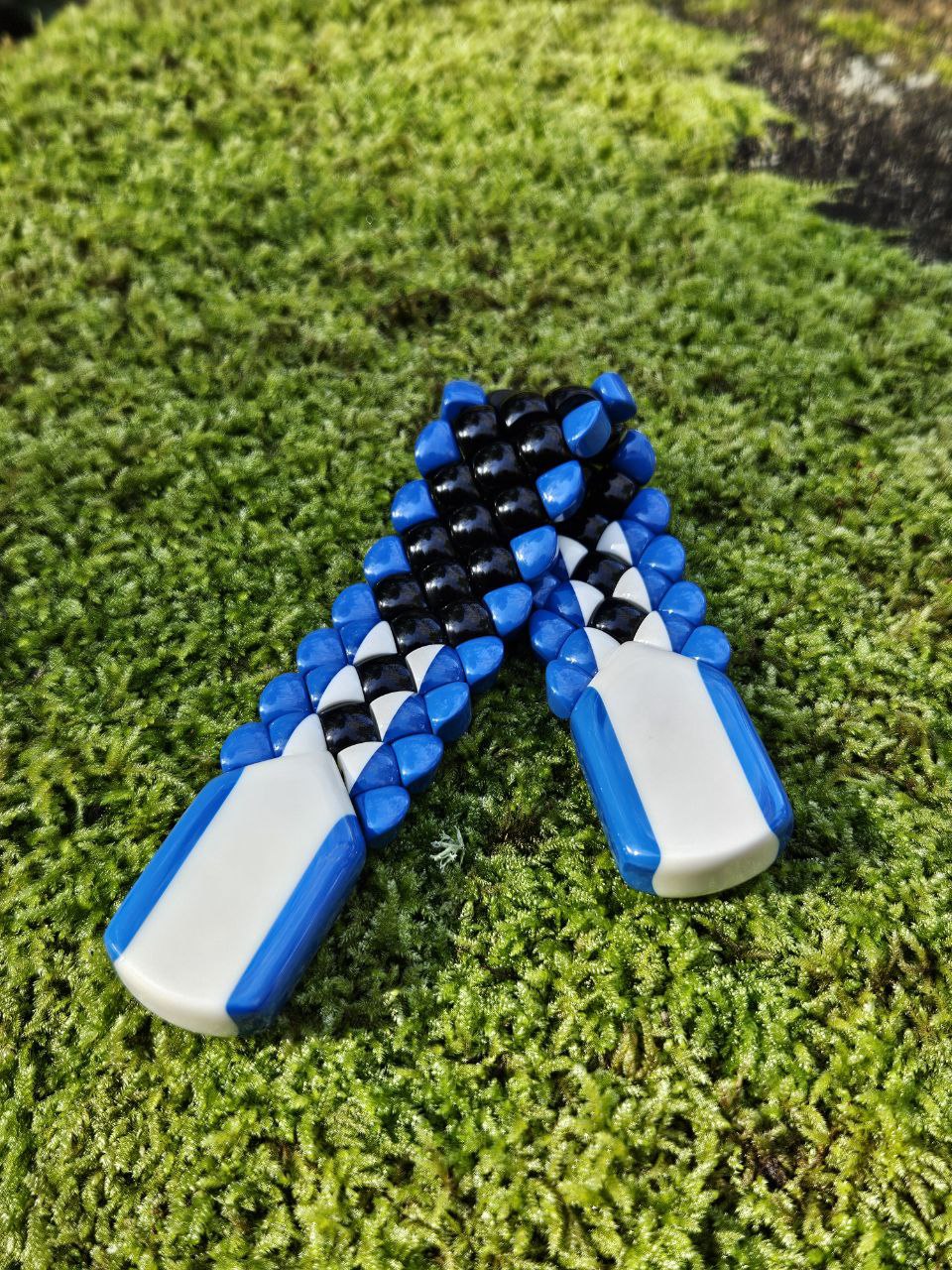
For comparison, an 8×8 mm cube in five rows is about 27.5 mm wide and in seven rows about 38.5 mm. A 7×7 mm cube is about 24.1 mm in five rows and about 33.7 mm in seven. These variants are far too wide for normal spinning.
Practicality and common dimensions
I have not seen thirteen-row Carpets made with links larger than 5×5 mm; most use 4×4 mm. I have also not seen Carpets with 7×7 or 8×8 mm cubes. They are too wide and impractical to spin.
I hope this makes disputes about what a Carpet is less frequent. It is a clear, recognizable model that becomes intuitive over time.
A different work, for example Honeycomb , can contain a huge number of parts without being a Carpet. It is a different construction and may be even more difficult.
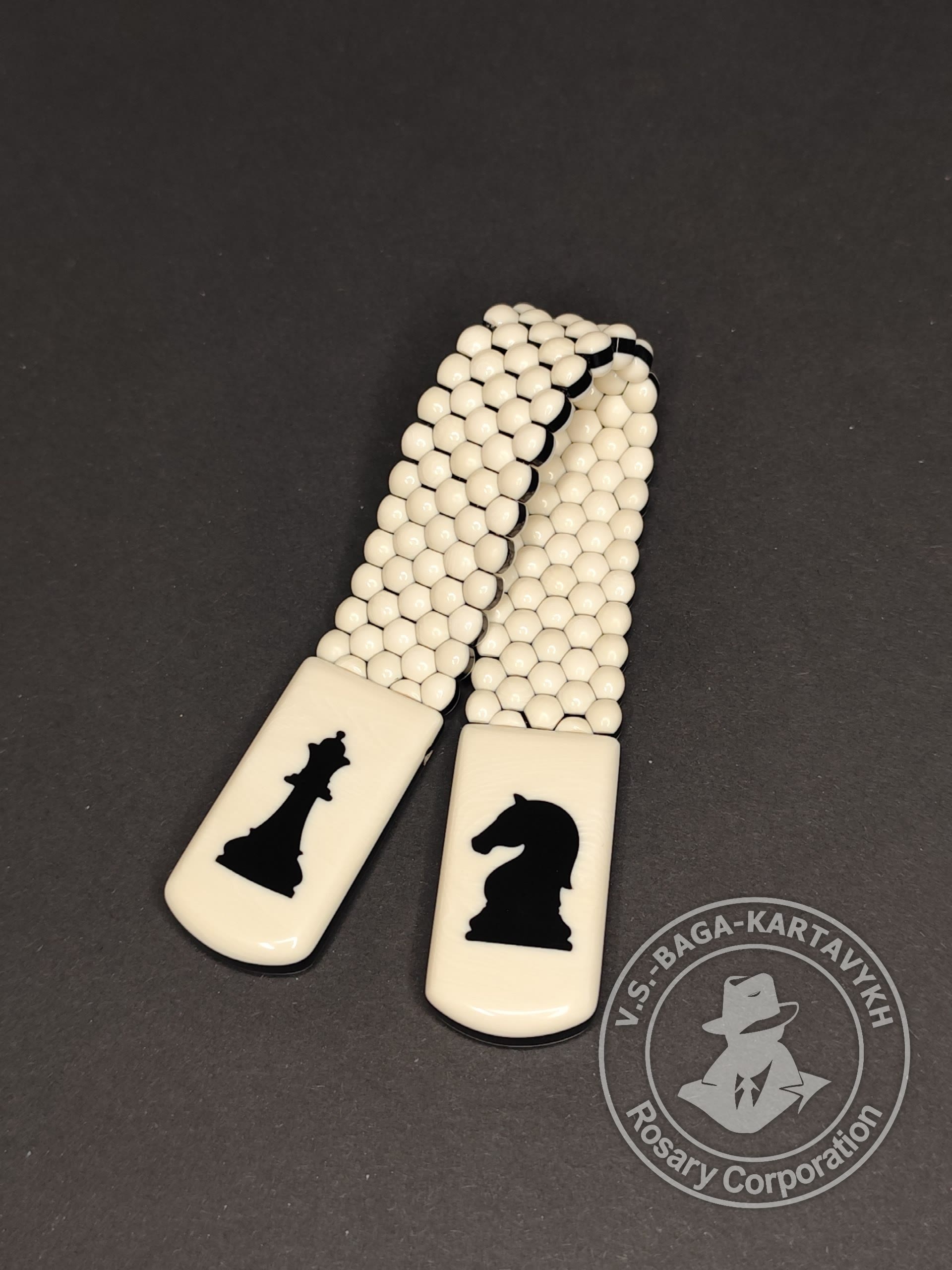
Carpet variations
Seven-row Carpets are the most widespread. They are encountered most often and lead in orders and purchases.
Nine-row Carpets come second. They are extremely rare and usually belong to serious collectors; commissioning one presumes a good understanding of the model.
Eleven- and thirteen-row examples are singular Carpets that can literally be counted on the fingers in the whole worry-bead world. Yet they do exist.
Features and intended use
The first and main purpose of a Carpet is its collector value. It is usually bought by people who already own Strict Classic , Cushions , Narkomanki , Azerbaijani pieces, Mosaic , Pogon and other models. Once much has been tried, a Carpet offers new sensations and always stands out in a collection.
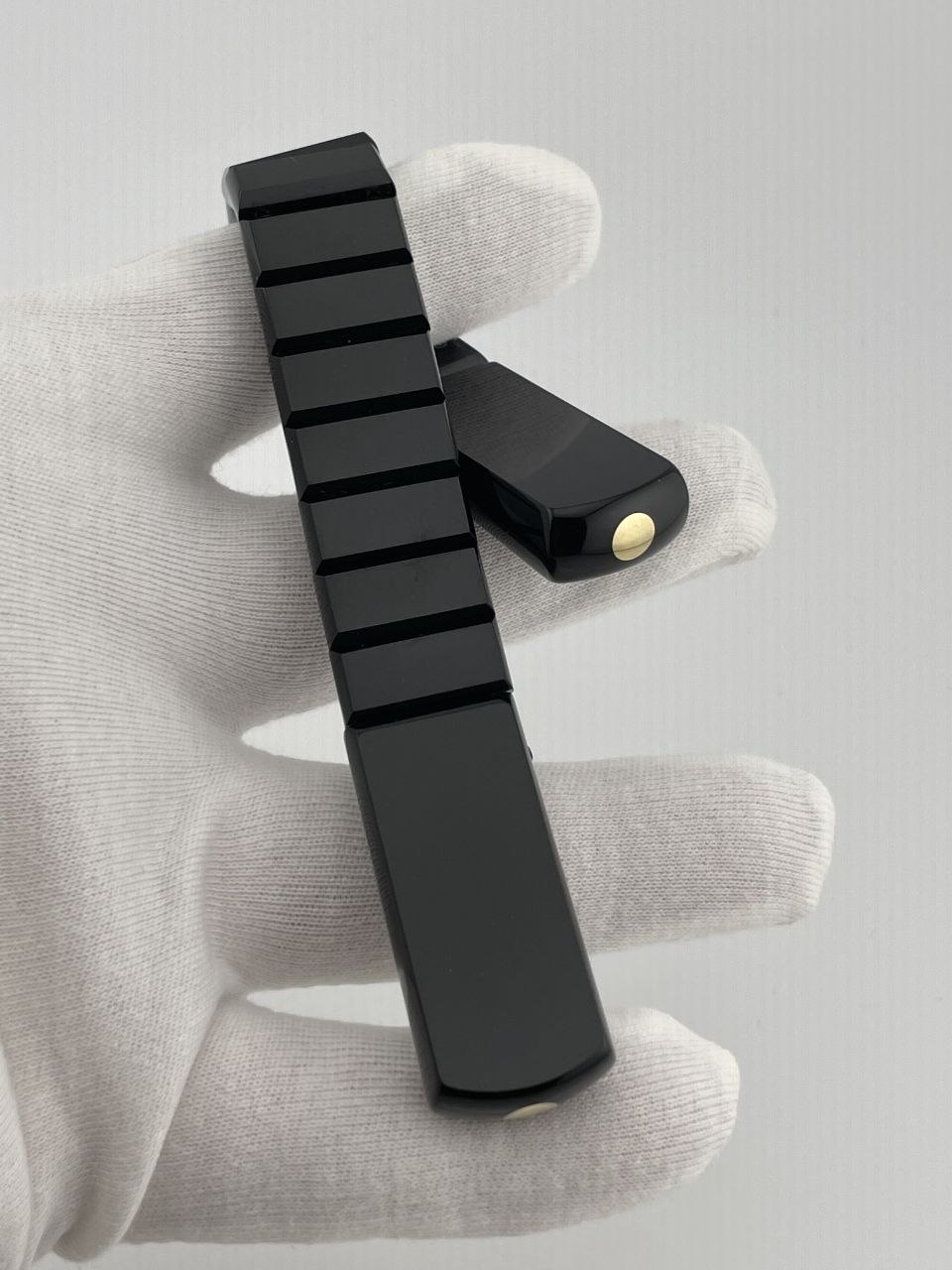
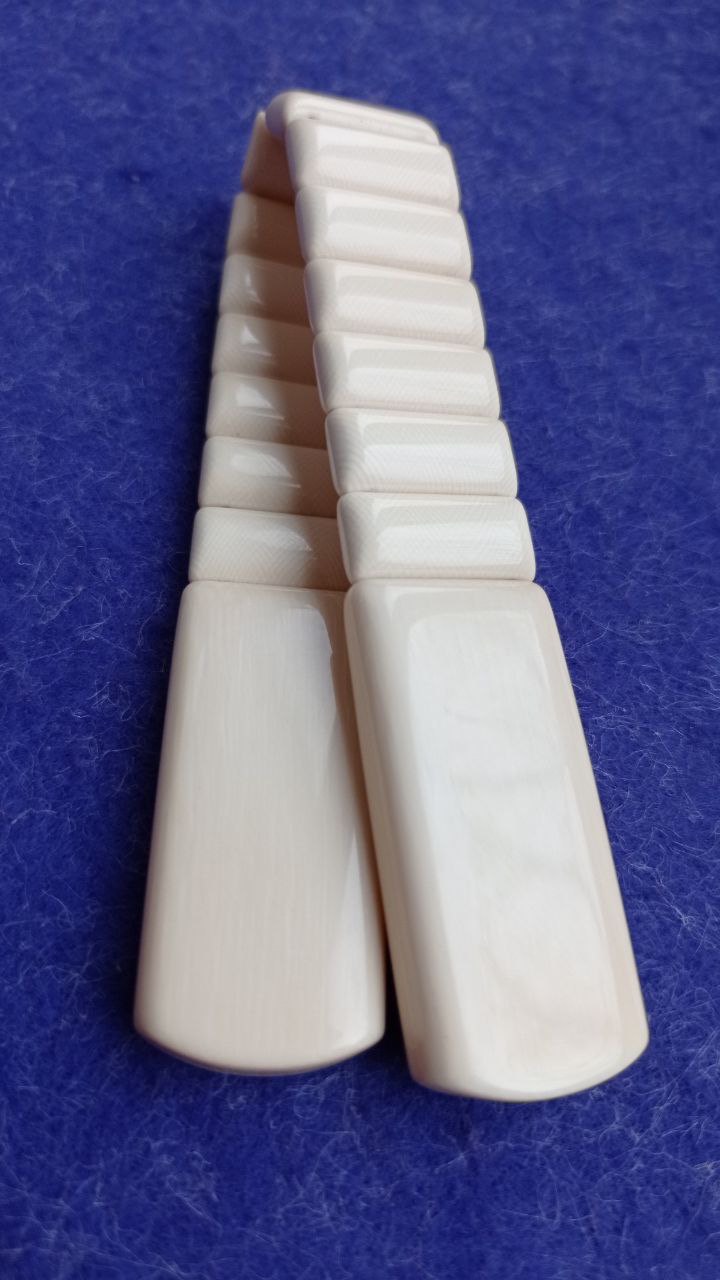
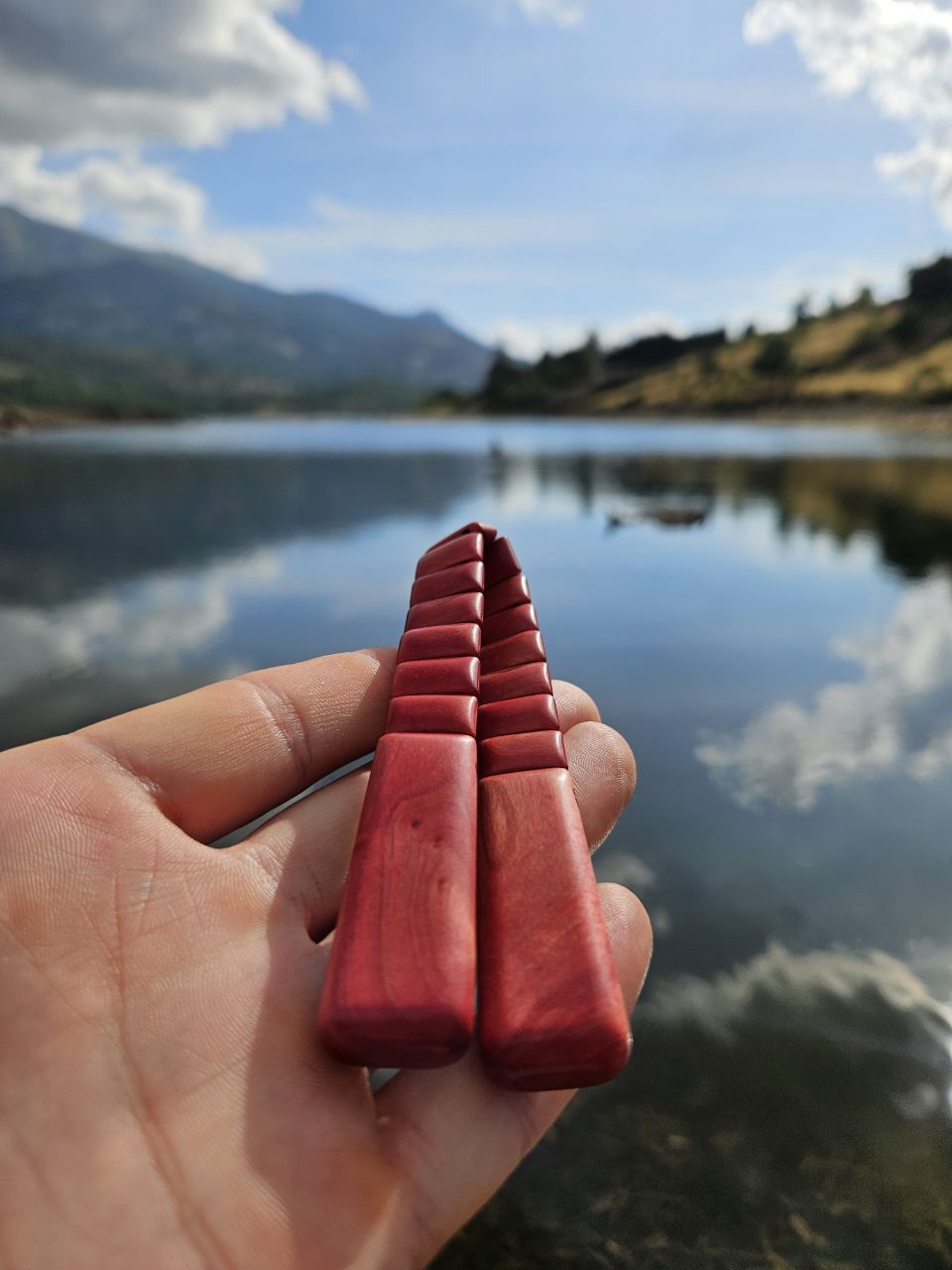
Some collectors believe a collection is not complete without a Carpet. It is a kind of symbol: seeing someone with one suggests that they are not new to the subject and understand it well.
A Carpet is very pleasant to hold. It is a status piece, especially when one understands that the maker invested a week of work, and sometimes a month. It is nothing like ordinary Cushions that can be made in a day.
Carpet is strikingly soft in motion. When well made, it can be spun in a helicopter almost tirelessly. Overall, however, it is better suited to flips and short, single helicopter movements than to learning complex combinations.
The large number of details lets a maker compose patterns and material combinations. This gives considerable room for creativity. In short, Carpet is a status work in any collection, regardless of material, and offers new sensations to a person who has already explored much of the worry-bead world.
Additional information based on collectors’ real-world experience
This information is based on the real experience of collectors and people active in the worry-bead world. To better understand what Carpet is and why it matters to collectors, several videos on our channel are recommended.
Very few makers produce Carpets. This does not mean the others cannot make them. Many can, but do not take them on because Carpet is one of the most undervalued models when the amount of work is compared with its price.
For example, a five-row Mosaic in an Aramith billiard ball with about 60 parts may cost €155. An Aramith Carpet with about 131 parts should cost at least €300, yet today its approximate price is €185–200. This is why some makers consider it financially unproductive.
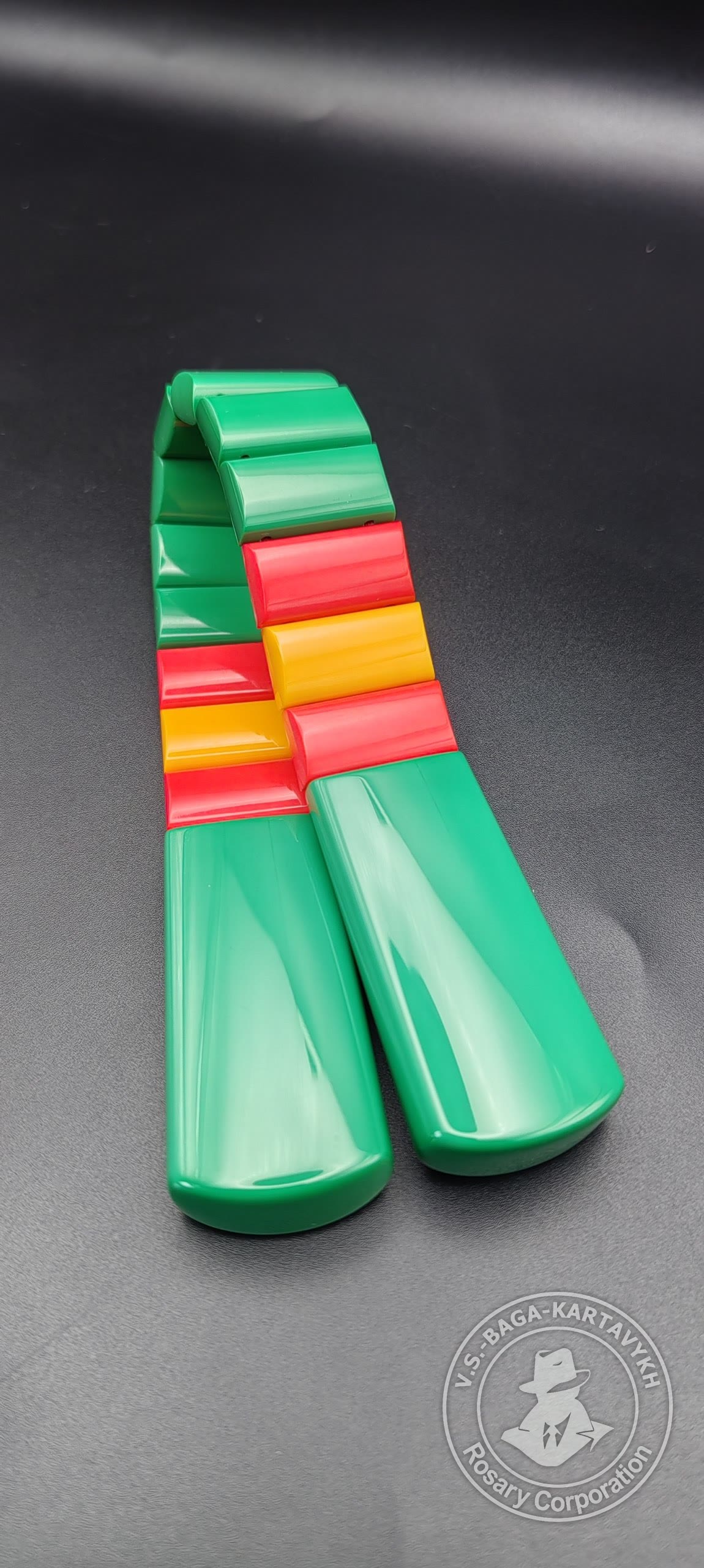
There are enthusiasts who take on such work from time to time at low prices. But Carpet prices may rise as more makers find the old price uneconomic. It is genuinely one of the most undervalued works in the worry-bead world.
Collectors especially value Carpets in organic materials: elephant ivory , mammoth ivory , coffee-stained mammoth ivory , exotic wood and sperm-whale tooth . A Carpet in coffee mammoth ivory is particularly prized and can become an important part of a collection.
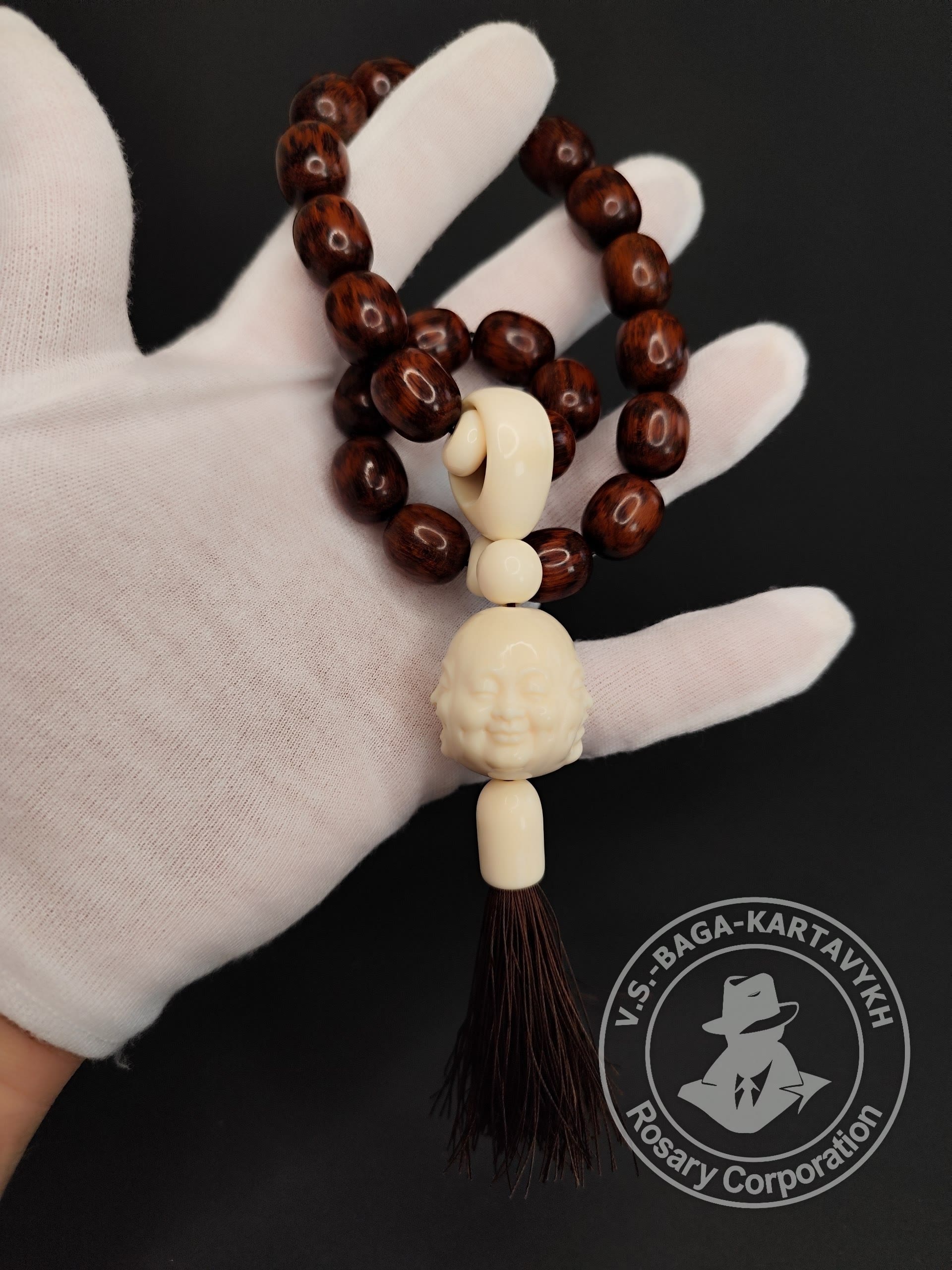
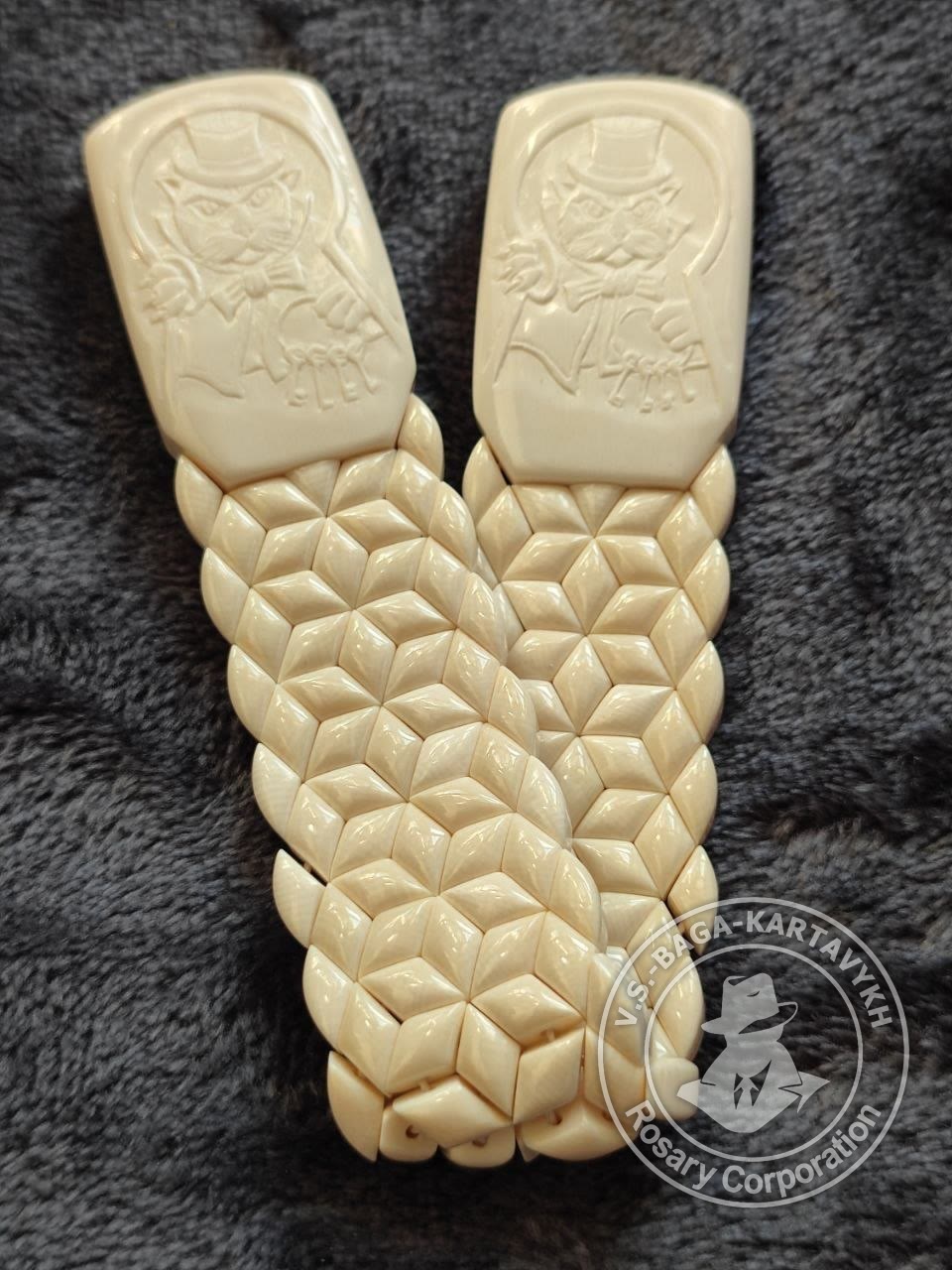
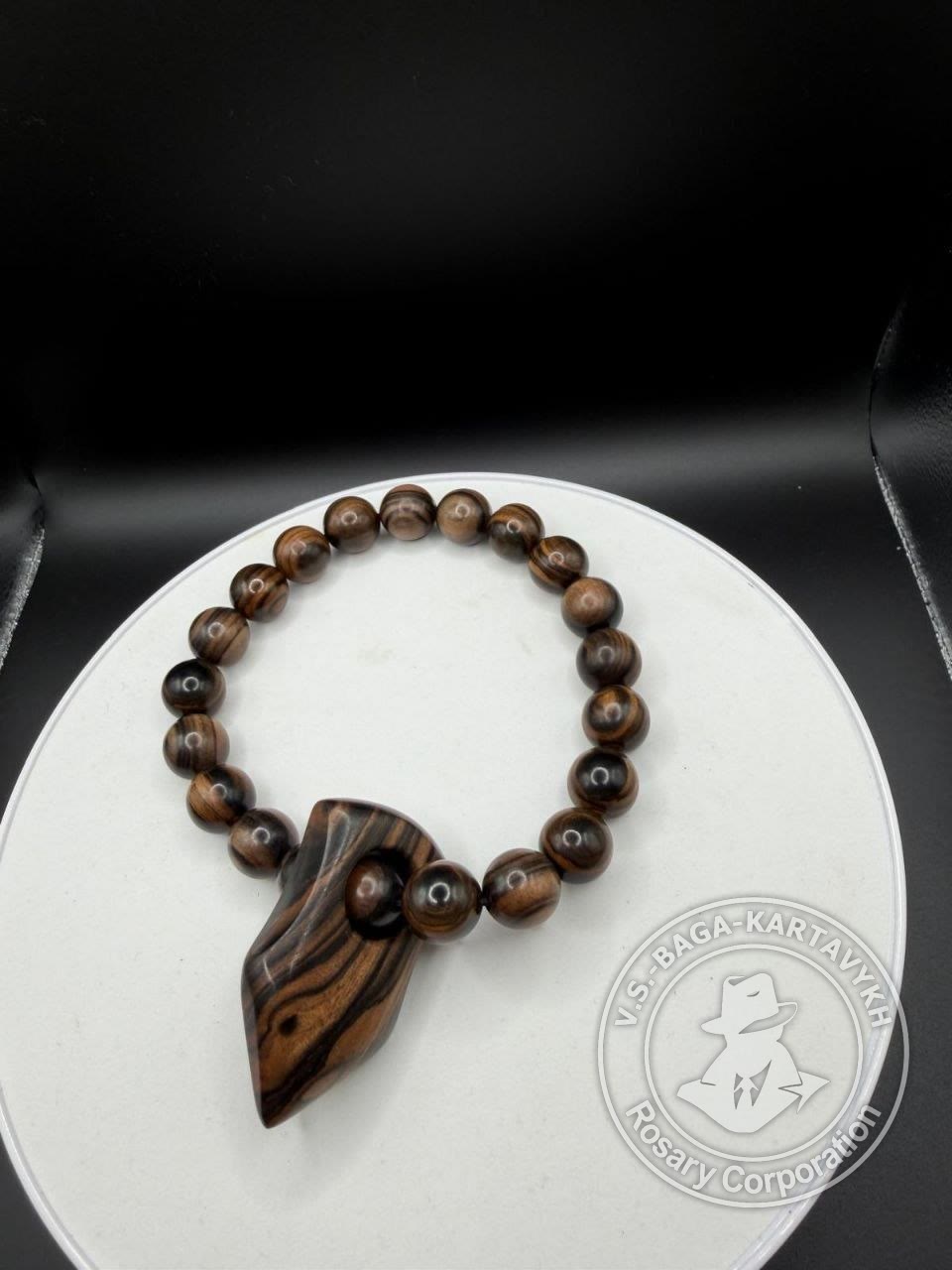

A maker who can produce a Carpet is regarded as having achieved something serious and as demonstrating a high level of skill. Not everyone can make a quality example. When a maker conquers this model, the community recognizes a move to another level. The same is true for the collector: it does not matter whether you made the Carpet or acquired it. CARPET IS A MARKER.