
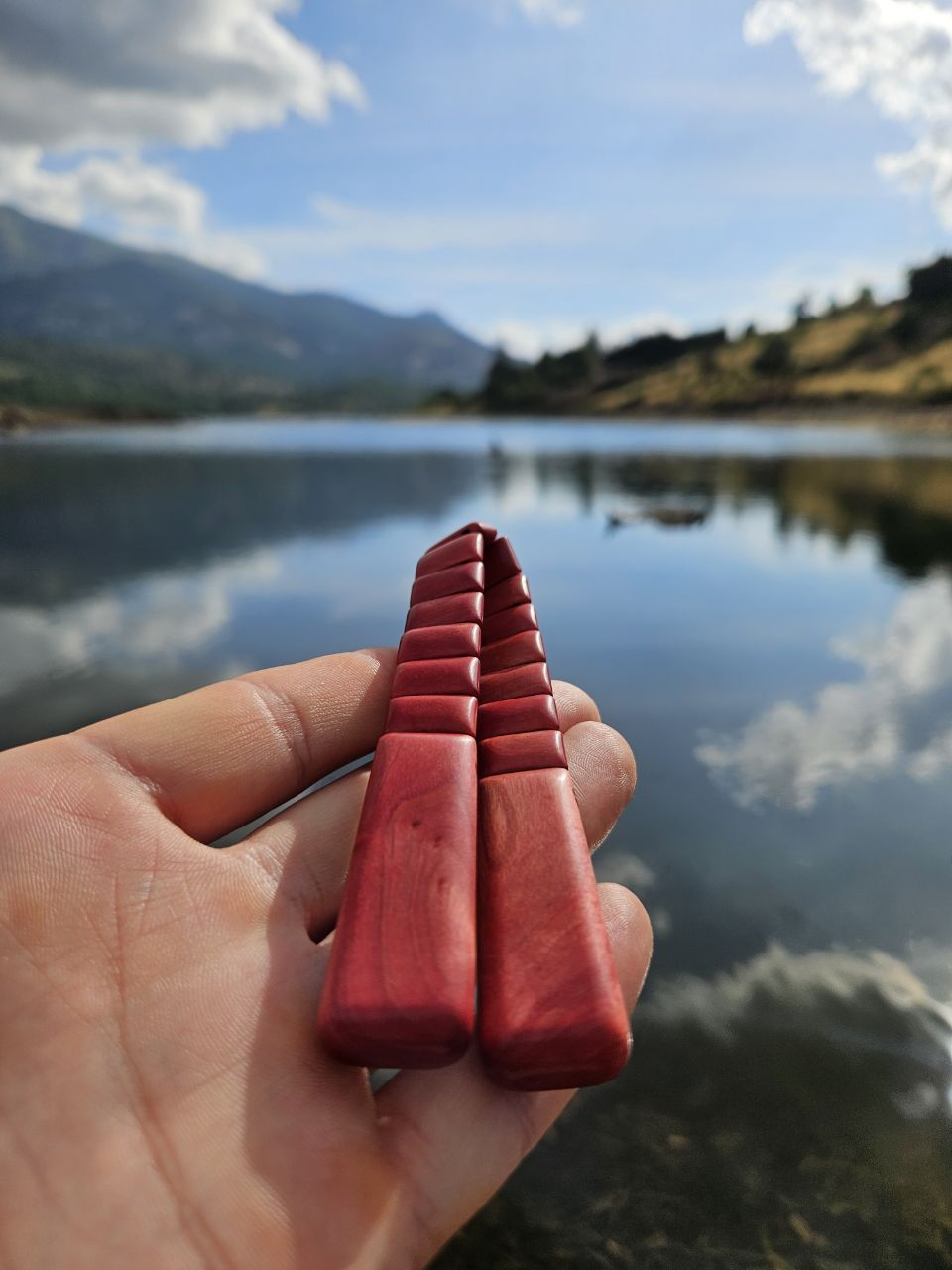
Model: Narkomanki
Detailed model description
The Narkomanki model is a reduced version of Strict Classic or Cushion worry beads.
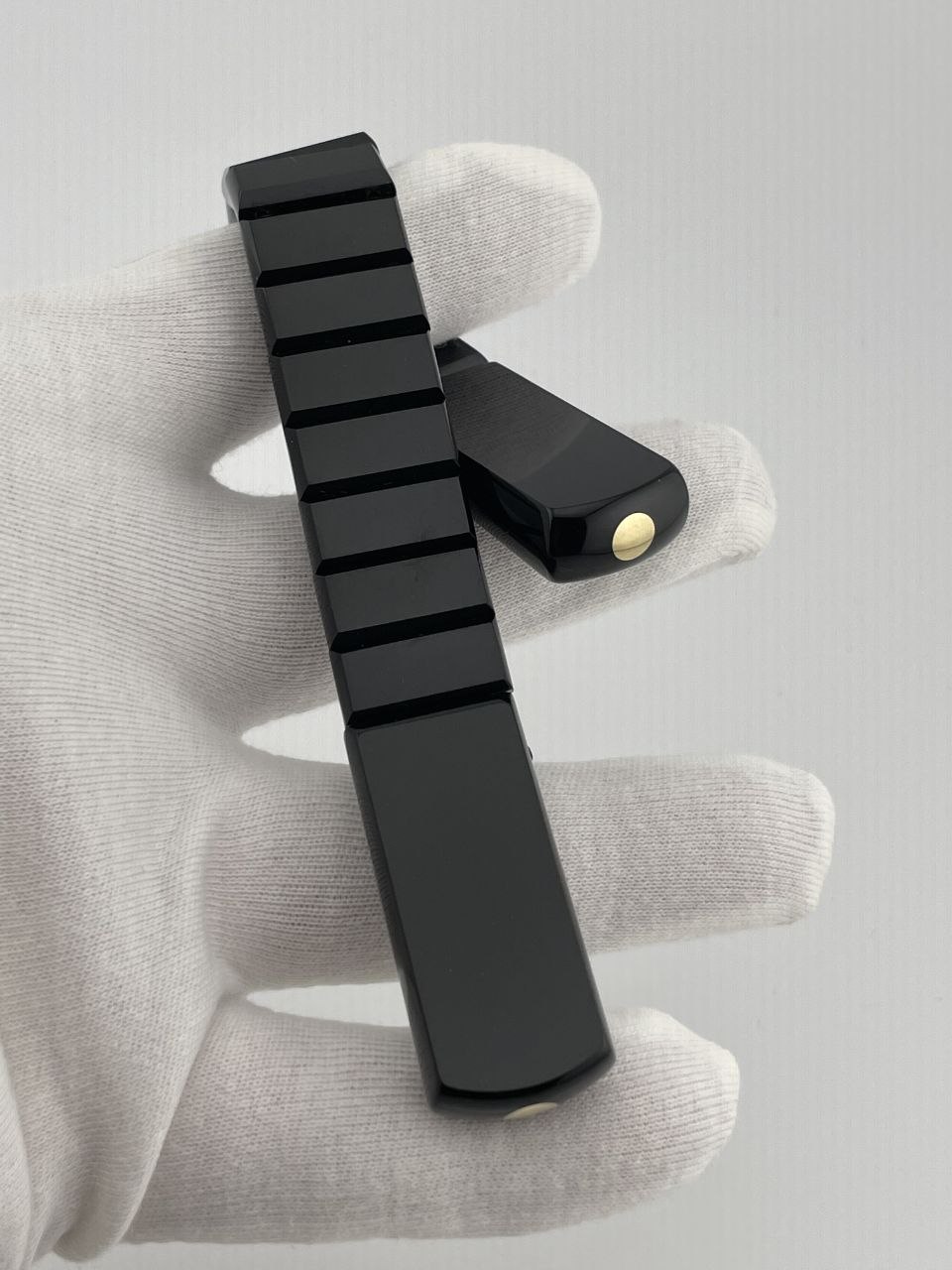
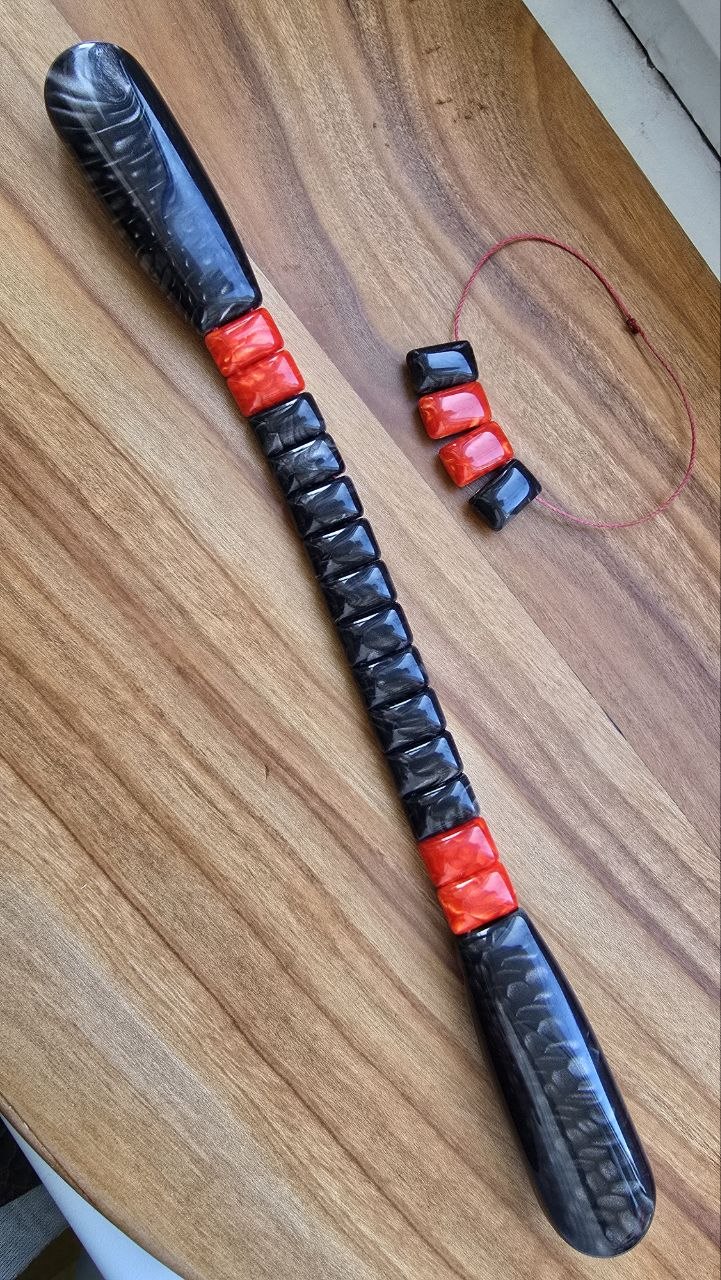
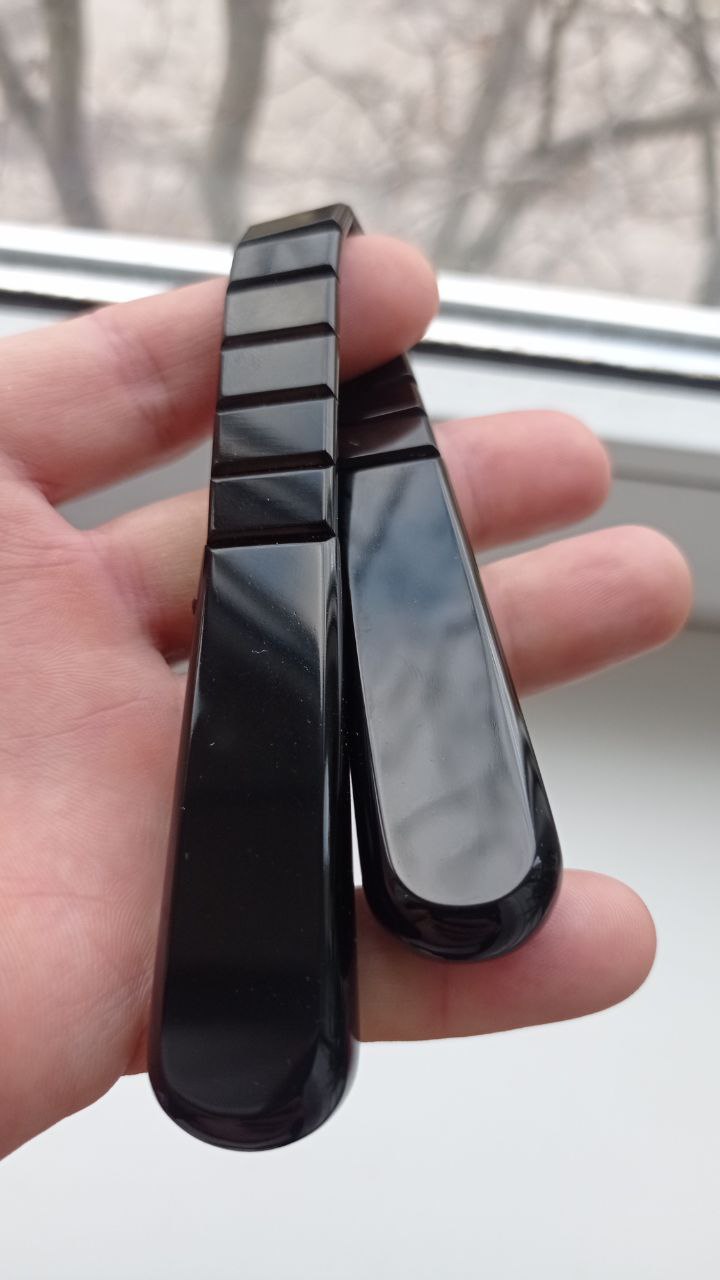
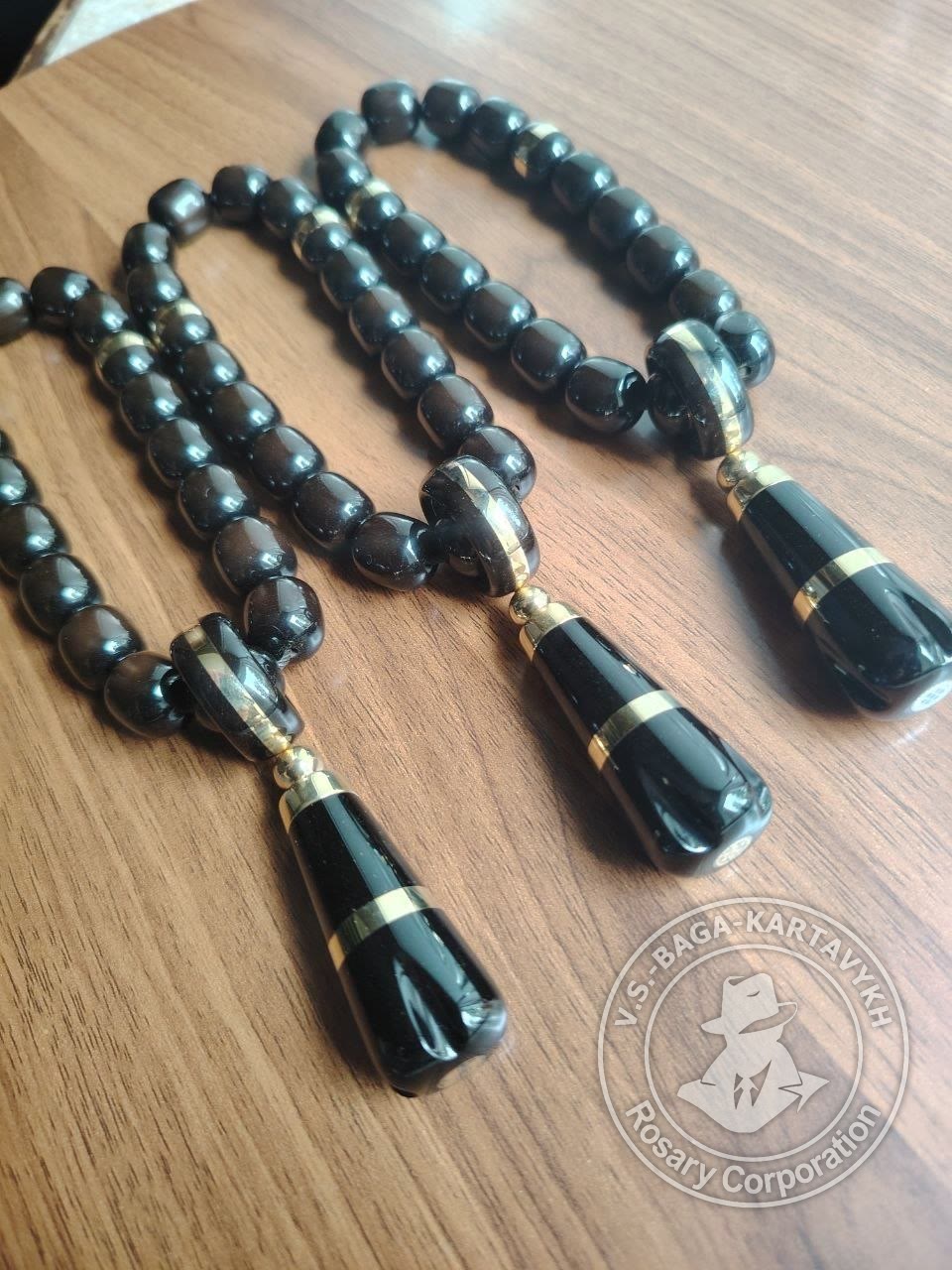
It is distinguished by slim links measuring 4 to 7 millimetres in thickness. Its defining dimension, however, is link width: approximately 12 to 15.5 millimetres.
The model also has large end pieces made to standards widely recognized in the worry-bead community. These standards have never been formally codified, but experienced makers and spinners know them well.
Under those conventions, the end pieces should measure between 50 and 60 millimetres long. Most are around 52 millimetres, although examples reaching 60 millimetres also exist.
The end pieces should widen and thicken toward their tips.
Massive end pieces are therefore a defining feature of Narkomanki: the links are small, while the ends are large. This contrast gives the model its recognizable, visually substantial character.
Many people ask where the name “Narkomanki” came from.
I will tell you one legend that circulates in the worry-bead community and has gradually been embellished to the point of absurdity.
According to this legend, the model supposedly originated in a prison environment. The story associates it with people who used narcotic substances and whom the legend describes as drug addicts.
In this absurd version, those people were supposedly physically weak and thin and therefore unable to spin ordinary, more substantial worry beads. Small, slim and lightweight beads that could be spun on just two fingers were allegedly made for them.
I want to stress at once that this is only a folk legend, not a verified account of the model’s origin. In my opinion it is complete nonsense, and I do not consider this version credible.
This information is published solely for educational purposes: to preserve and recount one of the legends that exists within worry-bead culture. We do not support the use of narcotic or any other psychoactive substances, promote their use or romanticize that way of life.
Substances that alter a person’s mental or physical state can cause serious harm to health and life. We therefore categorically neither encourage nor recommend their use.
Despite this unattractive and, in my view, absurd legend, the model itself is genuinely excellent. For me it is one of the finest worry-bead models for comfortable spinning. It enjoys considerable demand and respect among collectors and, of course, among worry-bead spinners.
Some readers may reasonably ask why the model was never given another name over such a long period, since these worry beads appeared around the 1990s.
The reason is that the name became deeply rooted within the community and its subculture. Replacing it would require nearly every maker and every creator promoting worry beads on YouTube and other platforms to act together. In practice, that is extremely difficult.
Individual enthusiasts have tried to remove the name from the worry-bead world. I was among them, but isolated efforts were not enough to change established community language.
There is also an interesting paradox.
When I first became interested in worry beads, the name provoked a very strong negative reaction in me. So strong, in fact, that this model was among the last major forms to enter my collection.
Yet once you hold the model and understand how comfortably and confidently it spins, the name gradually stops mattering.
Associations with prison, drugs and an unhealthy lifestyle fade far into the background. Within the worry-bead world, the word comes to denote a particular recognizable form rather than those earlier negative images.
Over time it can evoke something bright and positive because the object itself brings pleasure, joy and respect for craftsmanship. Rejection gives way to recognition.
This is one of those cases in which we ourselves give a word its meaning.
I therefore encourage future collectors, enthusiasts and beginners not to equate these remarkable worry beads with an unhealthy lifestyle, but to judge the model by its construction, history and real qualities.
Features and intended use
Now for the practical figures. The model’s central feature is its stability on the fingers during the “helicopter” spin. Narkomanki are particularly well suited to learning this move and naturally encourage this style of rotation.
For that reason, many makers and experienced spinners advise beginners to start learning the helicopter with Narkomanki.
The model is quick and very well balanced. Its proportions have been refined so thoroughly within the worry-bead community that I have never encountered a truly poor pair that would not spin at all, regardless of material.
Additional information based on collectors’ real-world experience
Narkomanki spin beautifully in Soviet ebonite , Aramith billiard resin, Juma and luxury hardwoods alike.
If someone asked me, “Sergey, which material would you choose first for Narkomanki?”, my answer among affordable options would be Aramith billiard resin.
Materials and recommendations
A more serious and highly practical choice is grenadill, Pink Ivory or lignum vitae. I would also give close consideration to snakewood, desert ironwood and ebony.
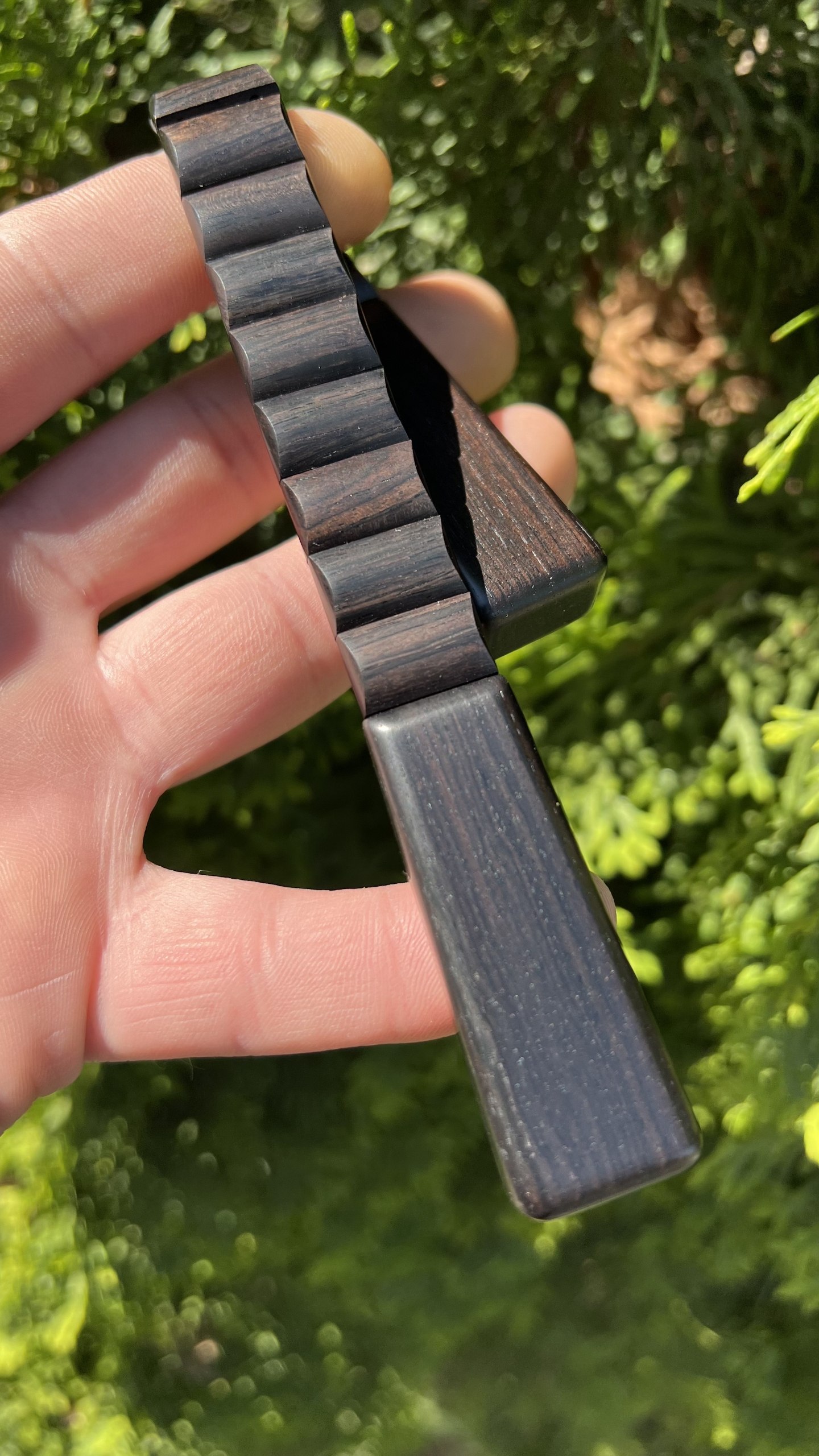
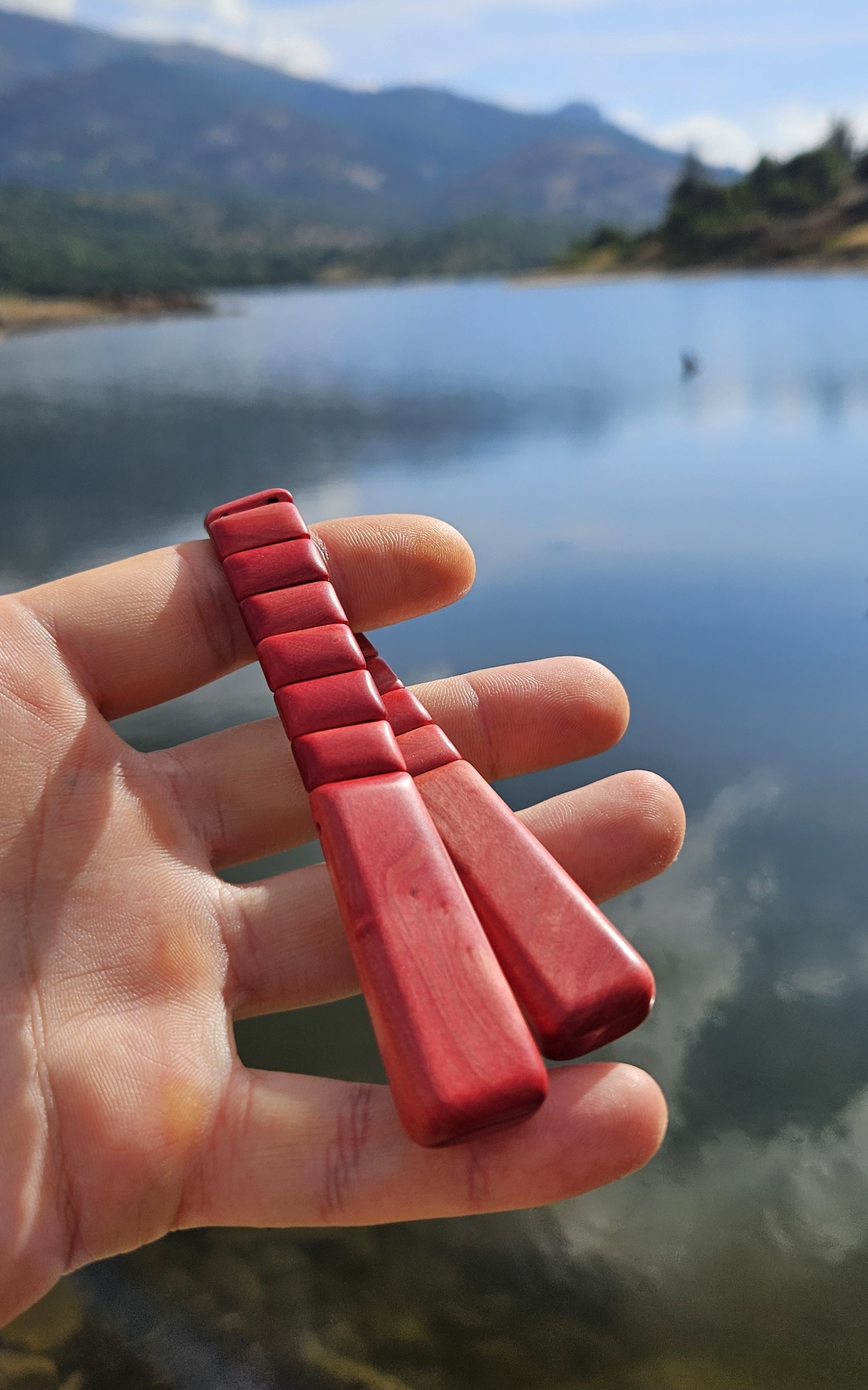
These are extremely dense woods, some of which sink in water. For me, that is an important indicator.
High density adds weight, making the beads feel more substantial and secure in the hand.
Density also increases resonance. When struck, wood can produce a surprisingly bright, almost metallic note; it is hard to imagine until you hear it in person.
When two Pink Ivory end pieces meet and sound almost like an electrical snap, you suddenly appreciate that this is wood and yet it can be so resonant, expressive and unusual.
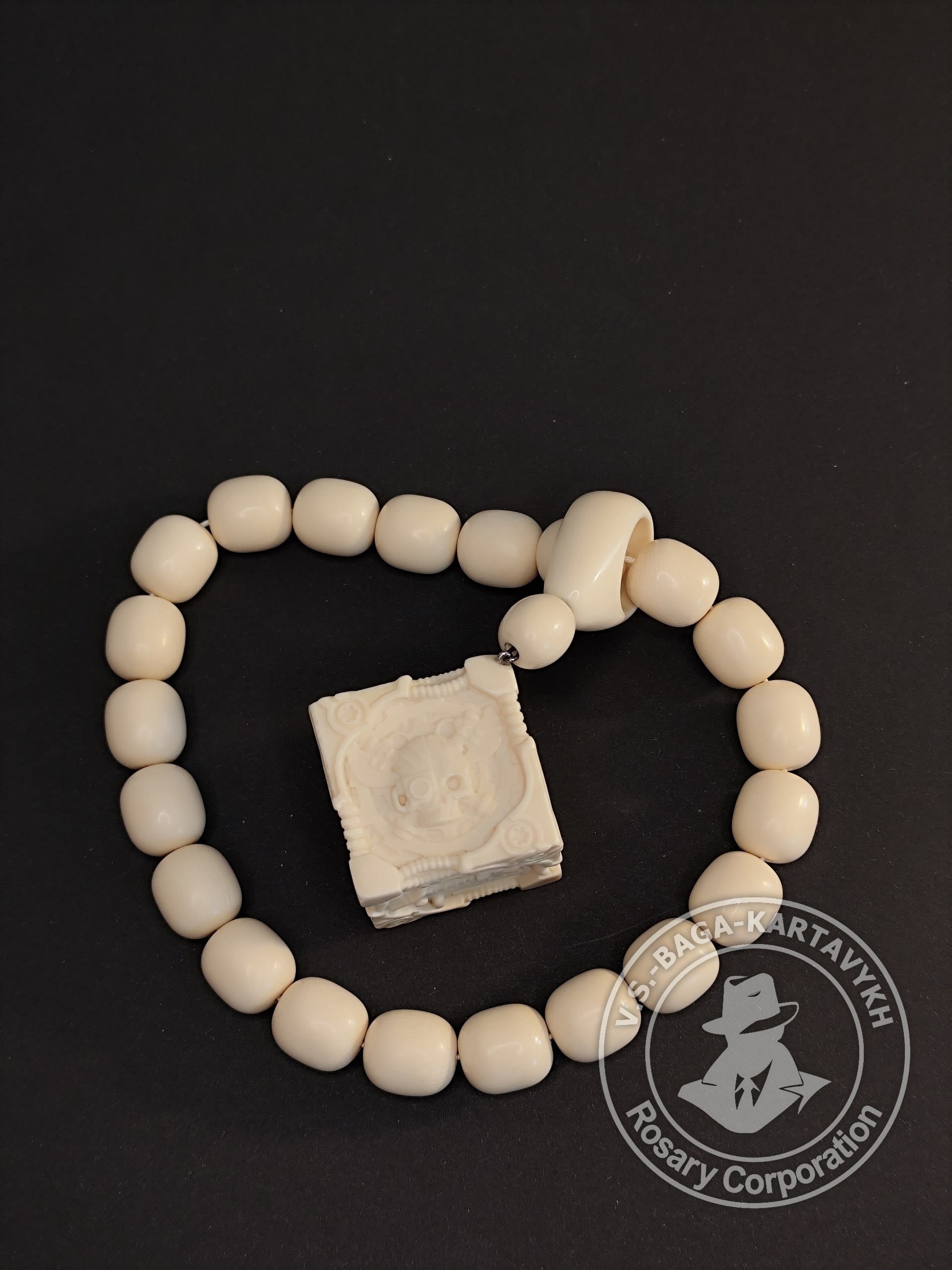
A separate category consists of collectible organic materials: sperm-whale tooth , mammoth ivory , elephant ivory and hippopotamus tusk .

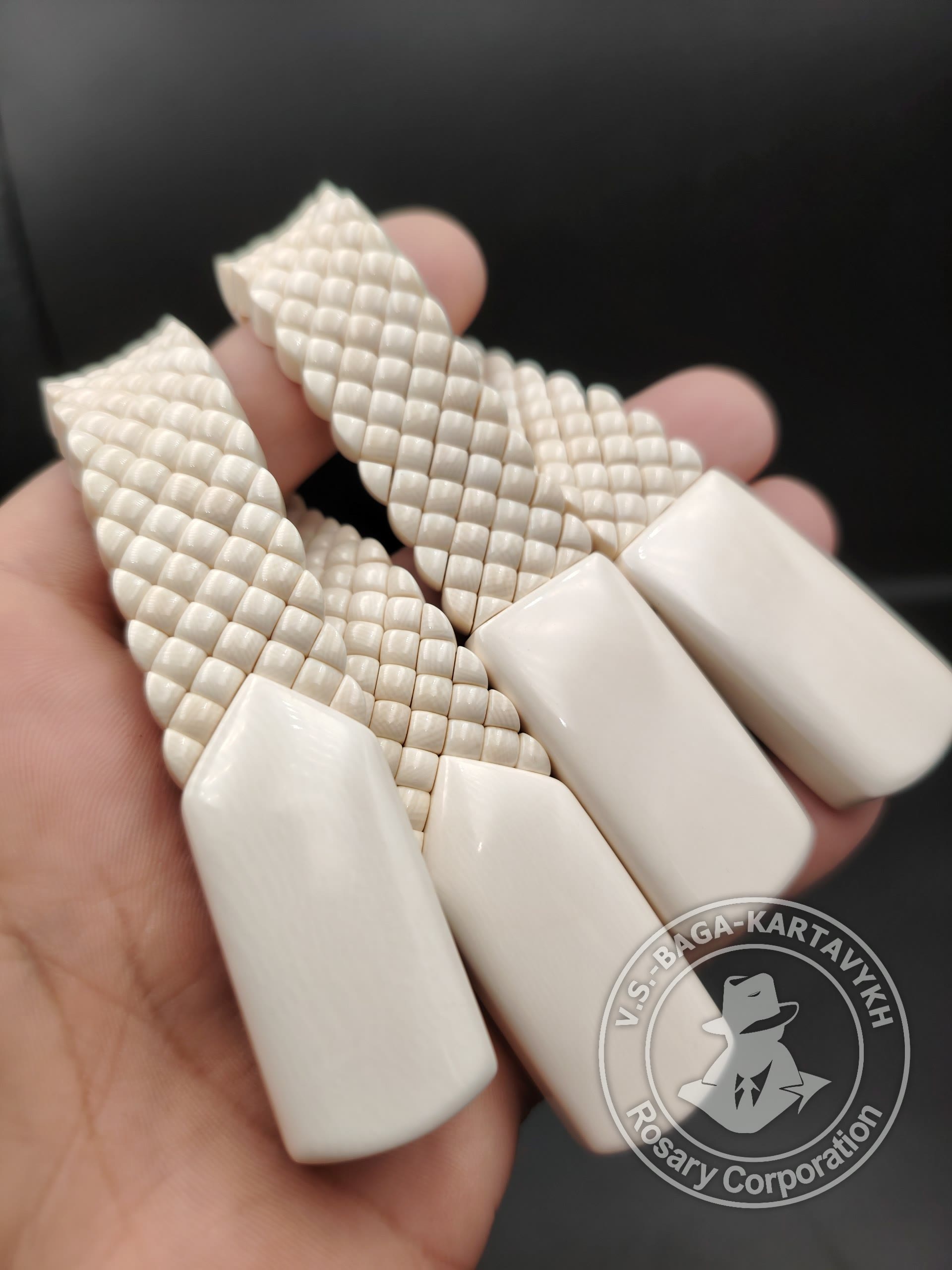
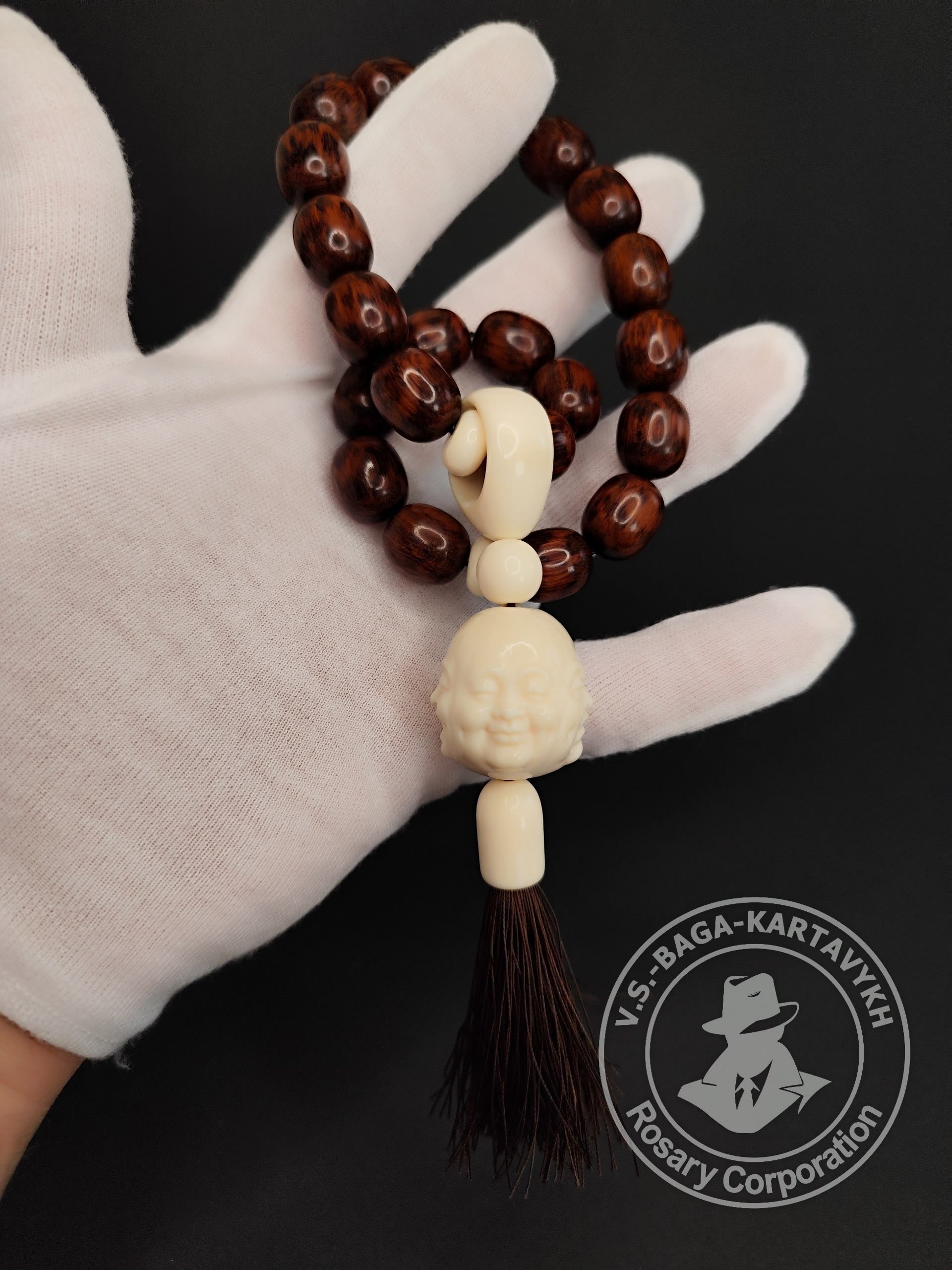

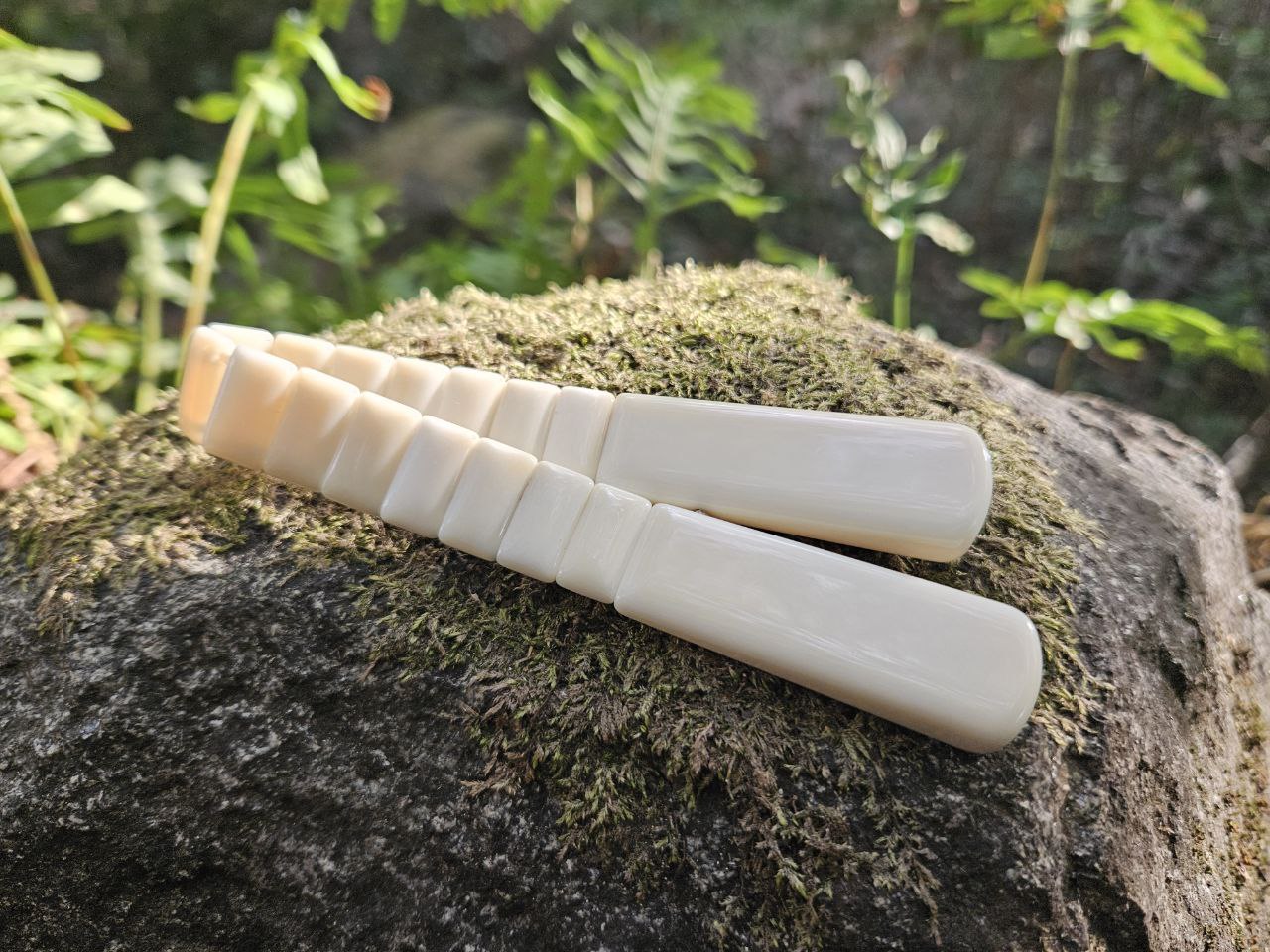
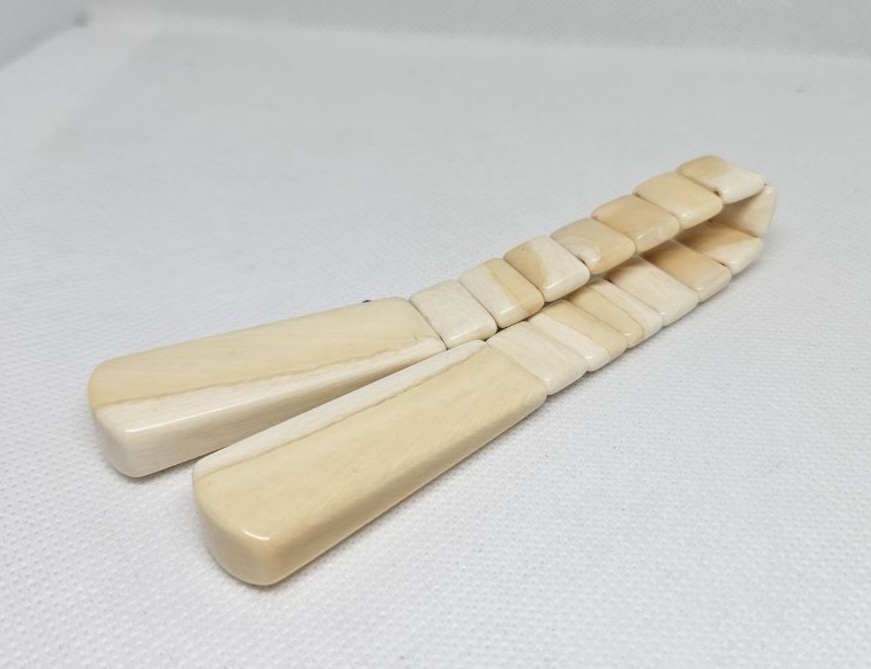
My own opinion of the model changed because of a Narkomanki piece made from hippopotamus tusk . It was the first example that impressed me enough to seriously consider adding this model to my collection.
For everyday Narkomanki, I recommend a dense luxury wood such as grenadill, Pink Ivory, lignum vitae or snakewood.
Juma and Elforyn are also excellent materials for daily use.
A proven and affordable alternative is Soviet ebonite .