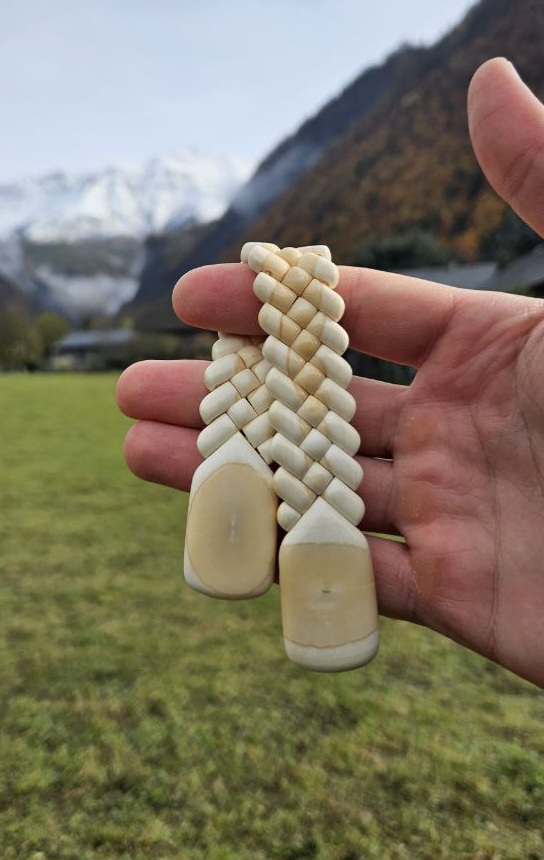
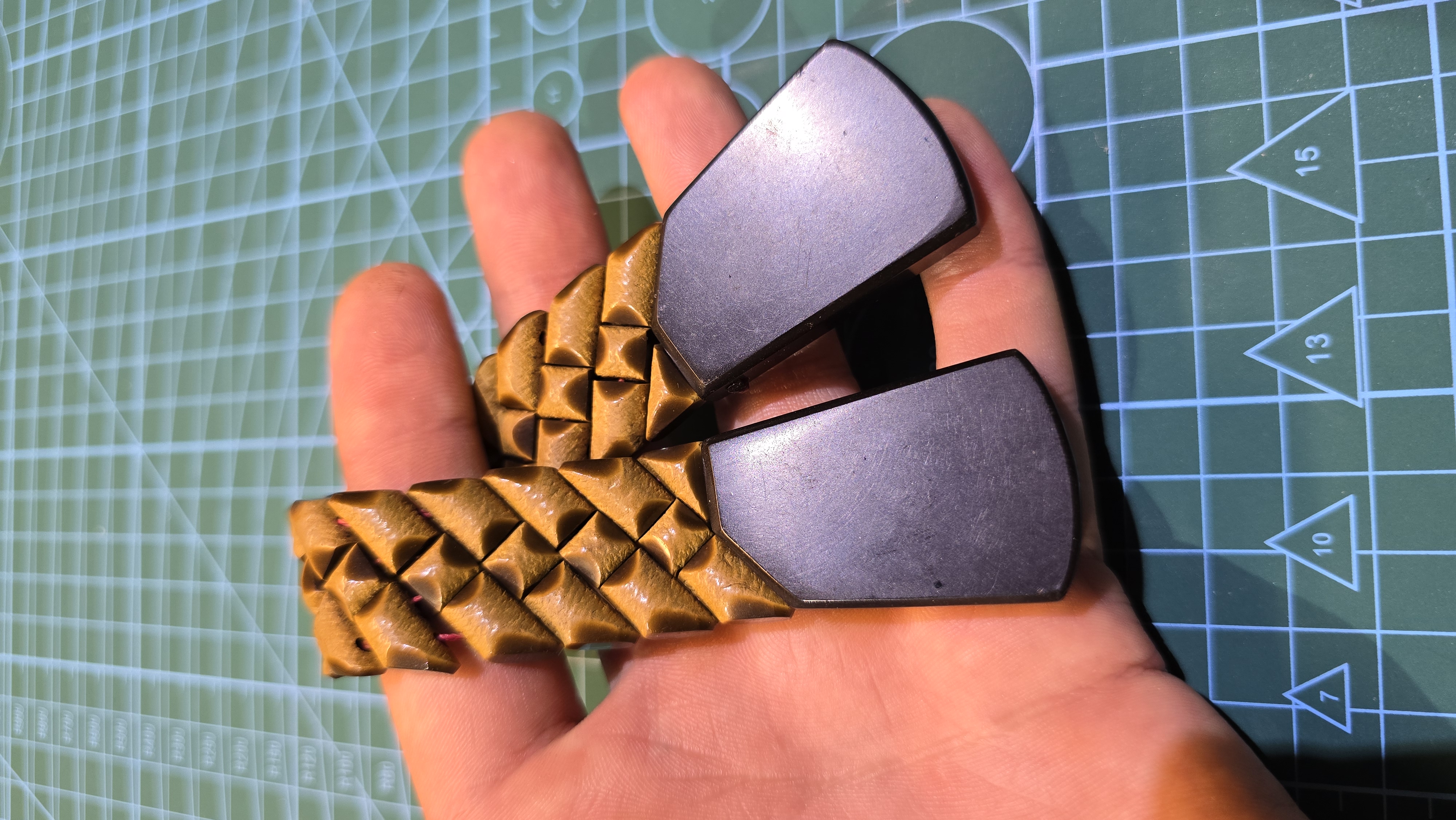
06 Pogon worry beads made from sperm-whale tooth MaterialSperm whale toothSperm whale tooth: properties, tactile character and handmade catalog pieces. . No. 133 in the worry-bead catalog. Made by Zhenya Kartavykh. Model reference
Model: Classic pogon
Detailed model description
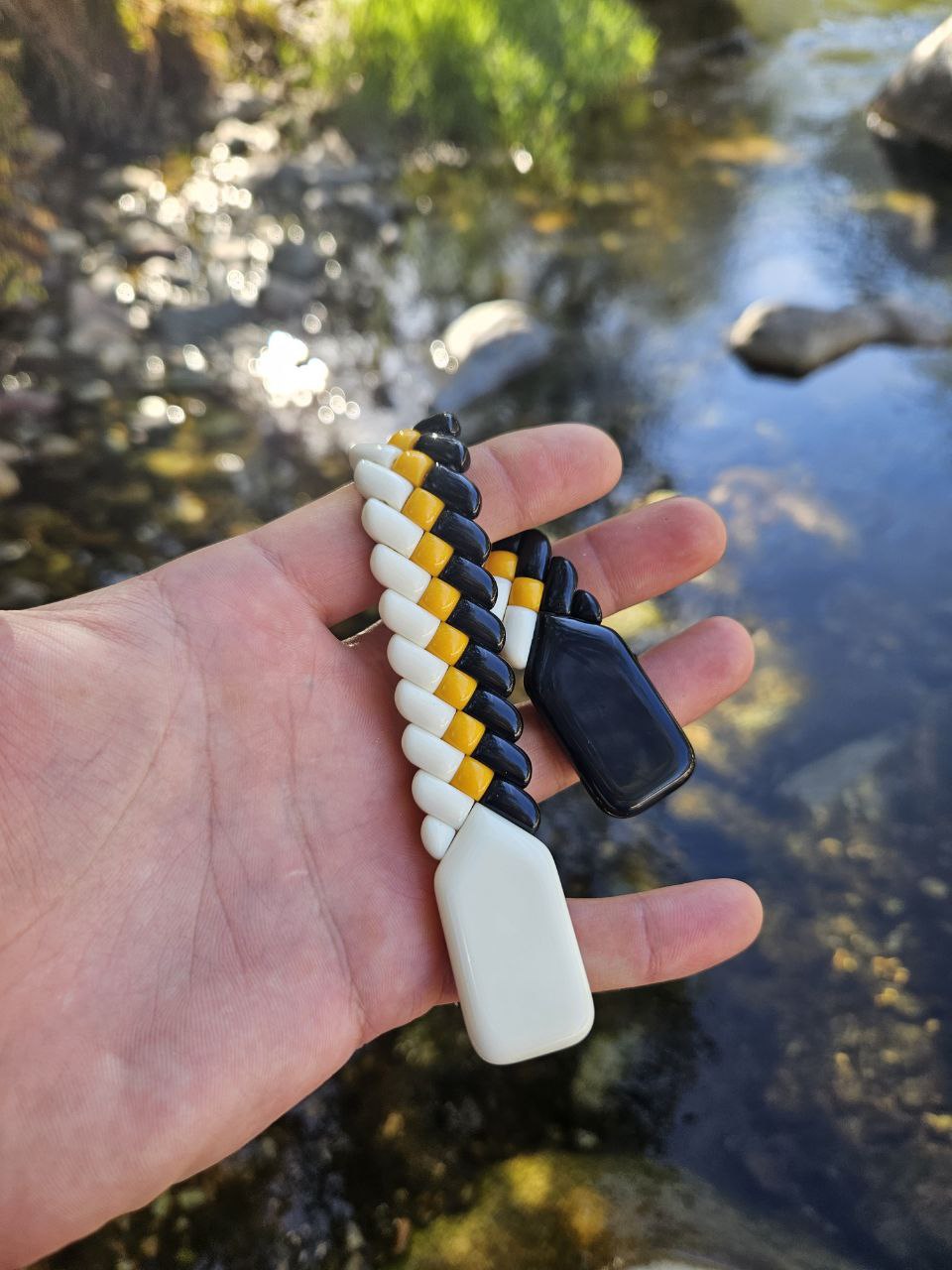
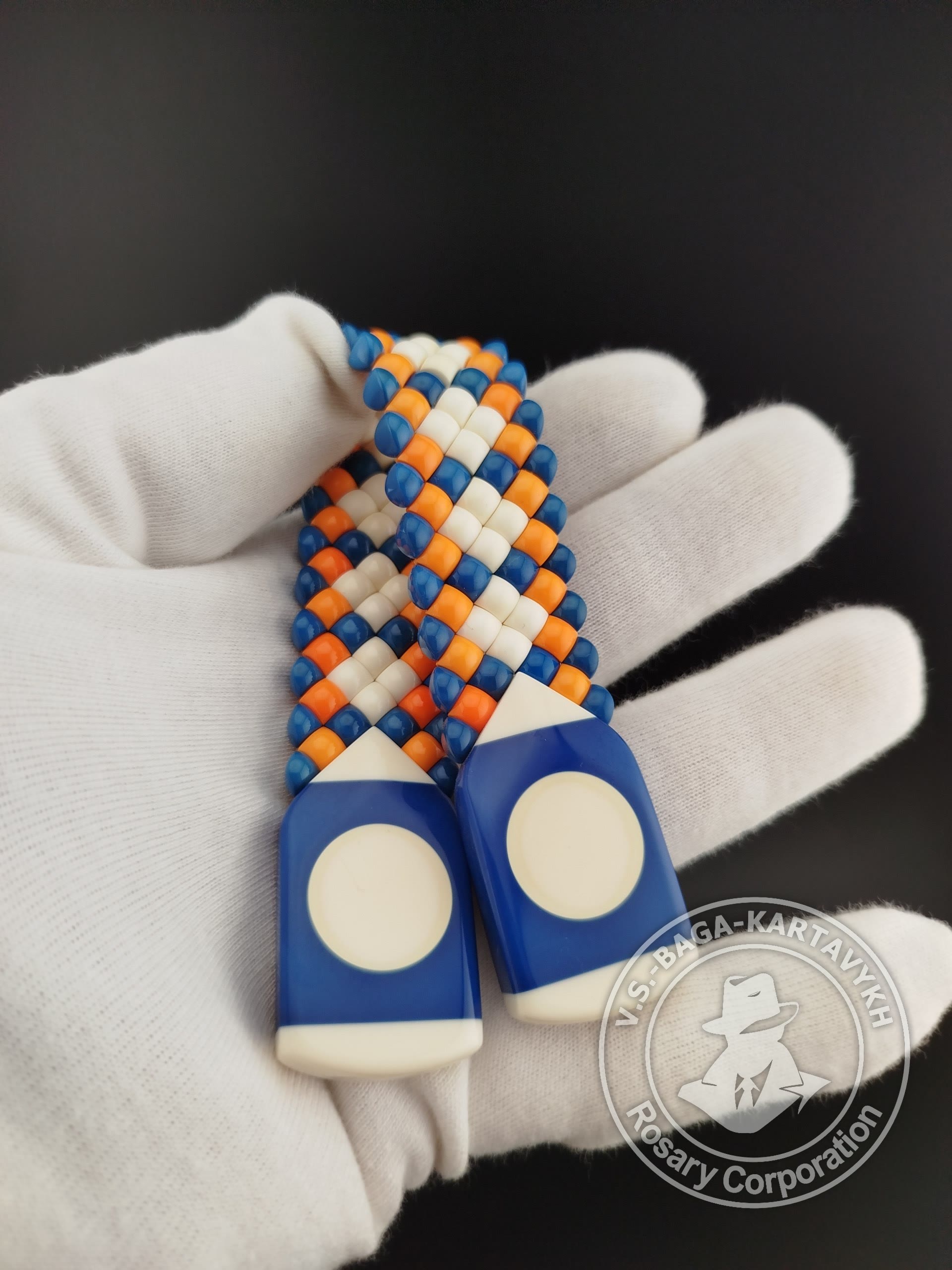
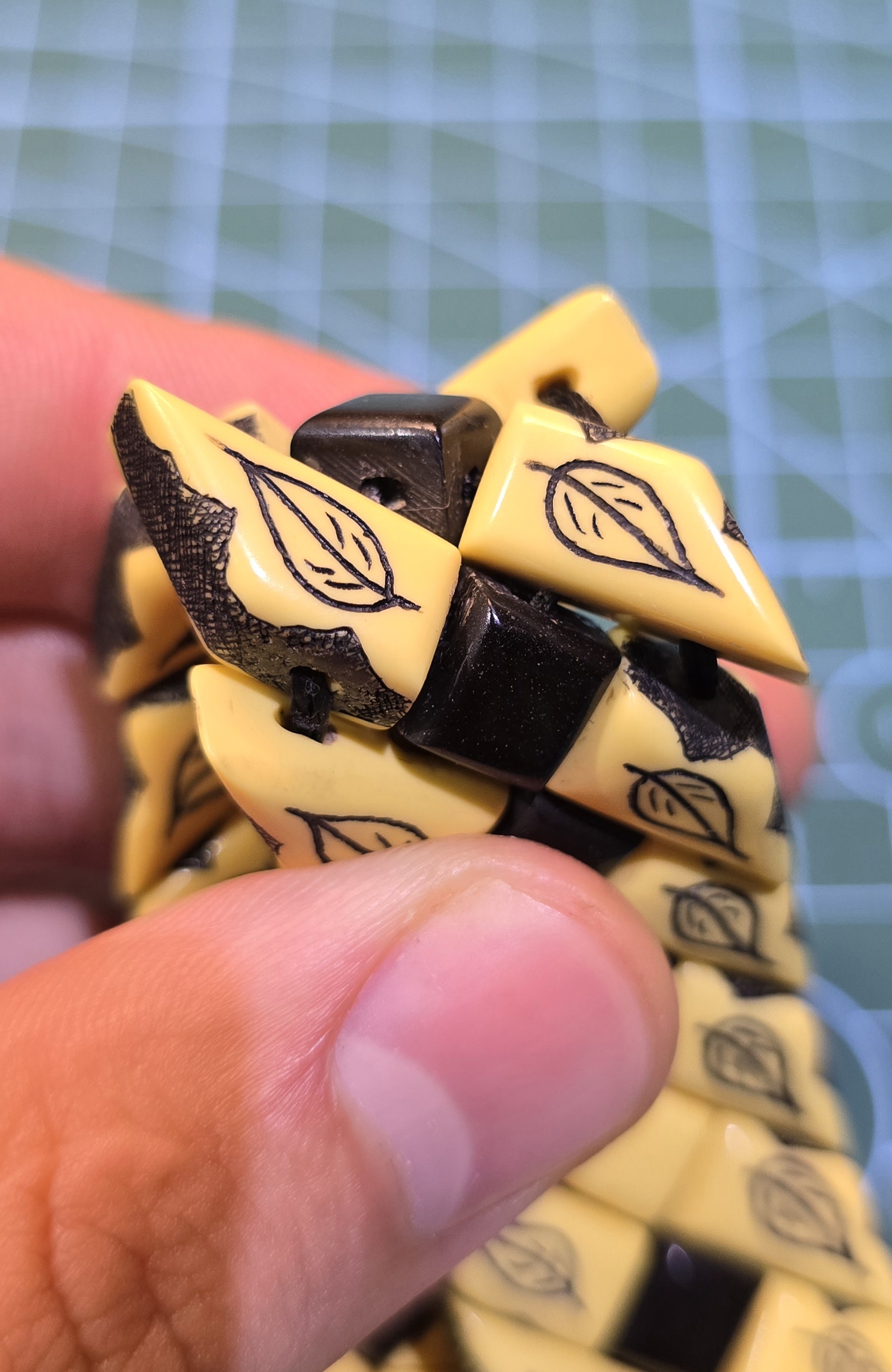
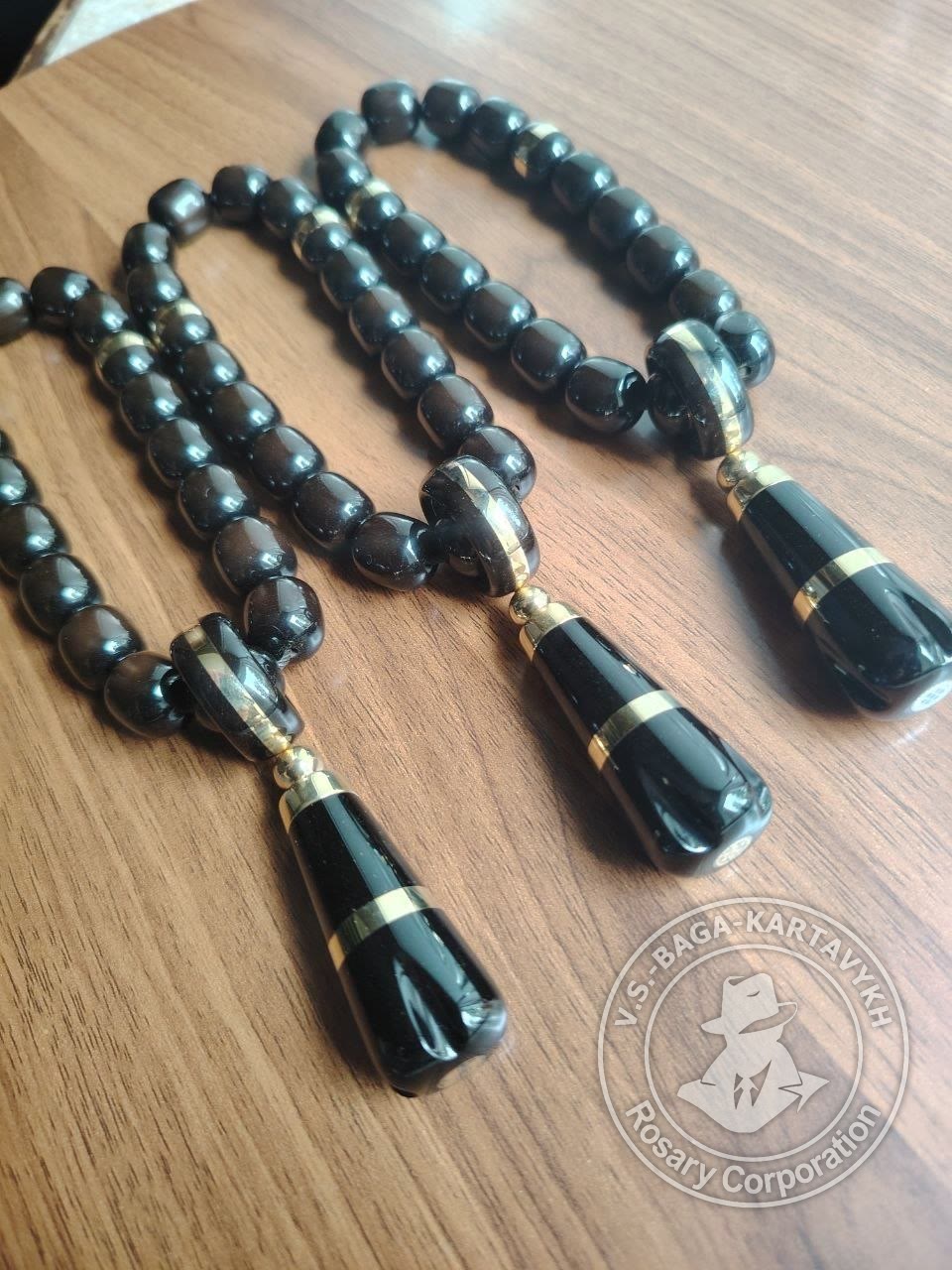
The Classic Pogon is a three-row worry-bead model. Two rows of side links, commonly known as sleepers, run alongside a central cube. This structure and form are rooted in the model’s history, which also explains the origin of its name.
The Classic Pogon is believed to have originated in places of detention, where it received its name and became one of the most recognizable worry-bead forms. Its history is therefore inseparably connected with prison culture.
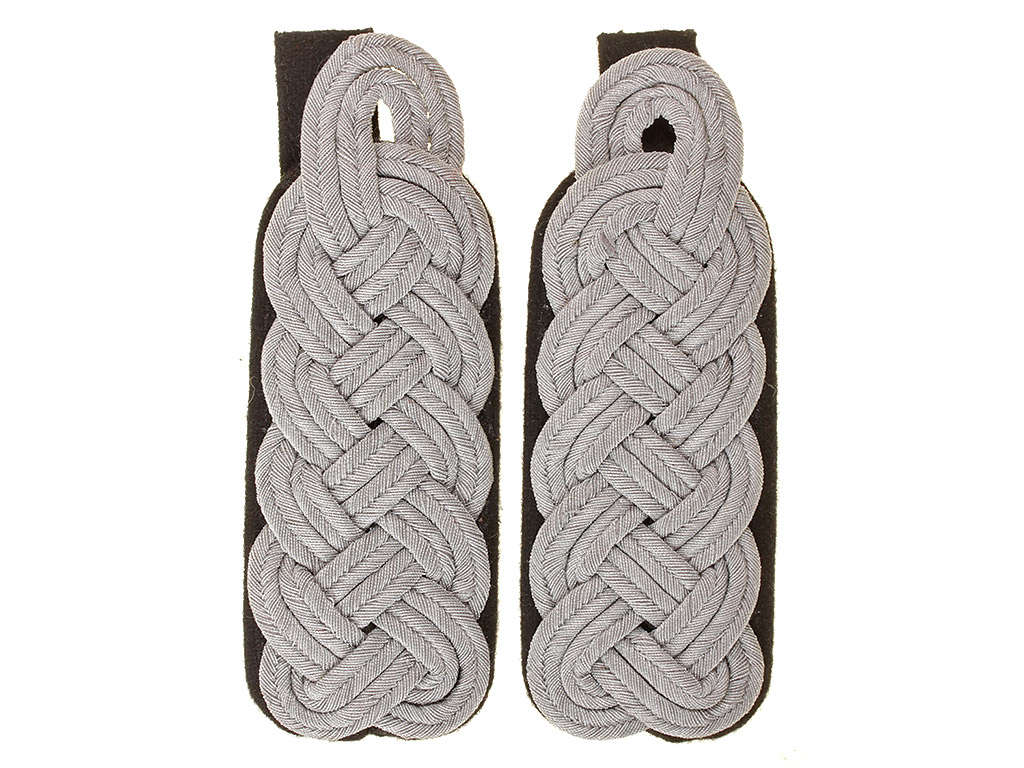
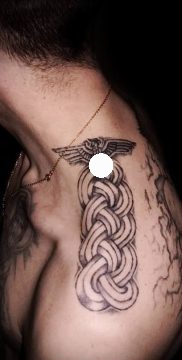
A closer look at the name reveals an interesting visual lineage. During the Second World War, Wehrmacht servicemen wore shoulder boards whose braid and appearance resemble the modern Classic Pogon. Later, during the Soviet era, a similar motif appeared in prison symbolism as tattoos on the shoulders.
Such tattoos generally represented high status within the criminal hierarchy, rejection of state authority, refusal to cooperate with prison administrations and allegiance to the so-called thieves’ code. The worry-bead model was later inspired by these tattoos and became known as the Pogon because of the visual resemblance.
Author’s own words
Until 2024, this model was simply called the Pogon.
The name Classic Pogon appeared only after the Hexagonal Pogon ModelHexagonal pogonHexagonal Pogon worry beads: three-row construction, cord replacement, helicopter technique, drilling and collector advice. began gaining popularity very rapidly.
To prevent the two models from being confused, the familiar Pogon came to be known as the Classic Pogon.
Sergey Baga
Pogon worry beads made from an Aramith billiard ball MaterialAramith billiard ballAramith billiard ball: properties, tactile character and handmade catalog pieces. . No. 97 in the worry-bead catalog. Made by Zhenya Kartavykh.
Features and intended use
The model’s main feature is its unusual appearance. It also allows different colors and materials to be combined, making every finished piece distinctive.
The Classic Pogon feels very comfortable and soft during classic flips. It can also be used for different tricks, including the helicopter and two-finger helicopter.
Additional information based on collectors’ real-world experience
Until 2024, the Classic Pogon was one of the most popular worry-bead models. Almost every collector owned at least one. The situation gradually changed after the Hexagonal Pogon ModelHexagonal pogonHexagonal Pogon worry beads: three-row construction, cord replacement, helicopter technique, drilling and collector advice. appeared: its ergonomics and more convenient form quickly won favor, and for many enthusiasts it became the primary model for everyday use.
Even so, the Classic Pogon remains a true classic and holds an important place in the history of flip worry beads.
Drawbacks of the model
The first drawback of the Classic Pogon is the difficulty of replacing its cord.
Two main drilling methods are used when making Classic Pogons: cross-drilling and parallel drilling.
The earliest Classic Pogons made in places of detention used cross-drilling. Modern makers generally use parallel drilling because it is considerably easier to maintain.
When buying a Classic Pogon, always ask the maker which drilling method is used. Parallel drilling makes cord replacement much easier, saves time and spares the owner unnecessary difficulty.
The second drawback is that the Classic Pogon is slightly less controllable during spinning than the Hexagonal Pogon ModelHexagonal pogonHexagonal Pogon worry beads: three-row construction, cord replacement, helicopter technique, drilling and collector advice. . During some elements it may drift to one side or tip sideways. Nevertheless, classic flips and helicopter spins remain comfortable on this model.
Author’s own words
My collection began with Classic Pogons. The first five pieces in it were all this model. I do not only collect worry beads but spin them every day, so I can offer several recommendations to anyone preparing to buy a first Classic Pogon.
If you are buying a Classic Pogon for everyday spinning, always choose a model with parallel drilling. It will make future maintenance considerably easier.
I also recommend models with fully rounded chamfers. If the edges have merely been cut back without a smooth radius, the spinning sensation changes noticeably. The beads do not become more fragile, but their movement feels more broken. During flips, each motion seems to pass through small kinks, making the action less fluid and less pleasant. Properly rounded chamfers behave differently: despite a hard material, the movement feels soft, smooth and natural. This is why I recommend fully rounded chamfers for everyday spinning.
Classic Pogons also come in different variations. Some have rounded sleepers, or side links, while others have pronounced sharp corners.
I recommend avoiding Classic Pogons with sharp sleepers. First, they are uncomfortable to carry in a pocket because the corners can press unpleasantly, especially through jeans. Second, they affect spinning: during classic flips, the sharp edges can prick the fingers and cause discomfort.
For active use, choose a Classic Pogon with more streamlined, rounded sleepers. Such beads sit far more comfortably in the hand, feel better in a pocket and are much more pleasant for everyday spinning.
Classic Pogons with decorative pyrography deserve a separate note. They can be very beautiful, and the makers who create them deserve great respect. However, with active spinning the image will inevitably begin to wear away. They are excellent collection pieces, while a model without pyrography is a better choice for daily use.
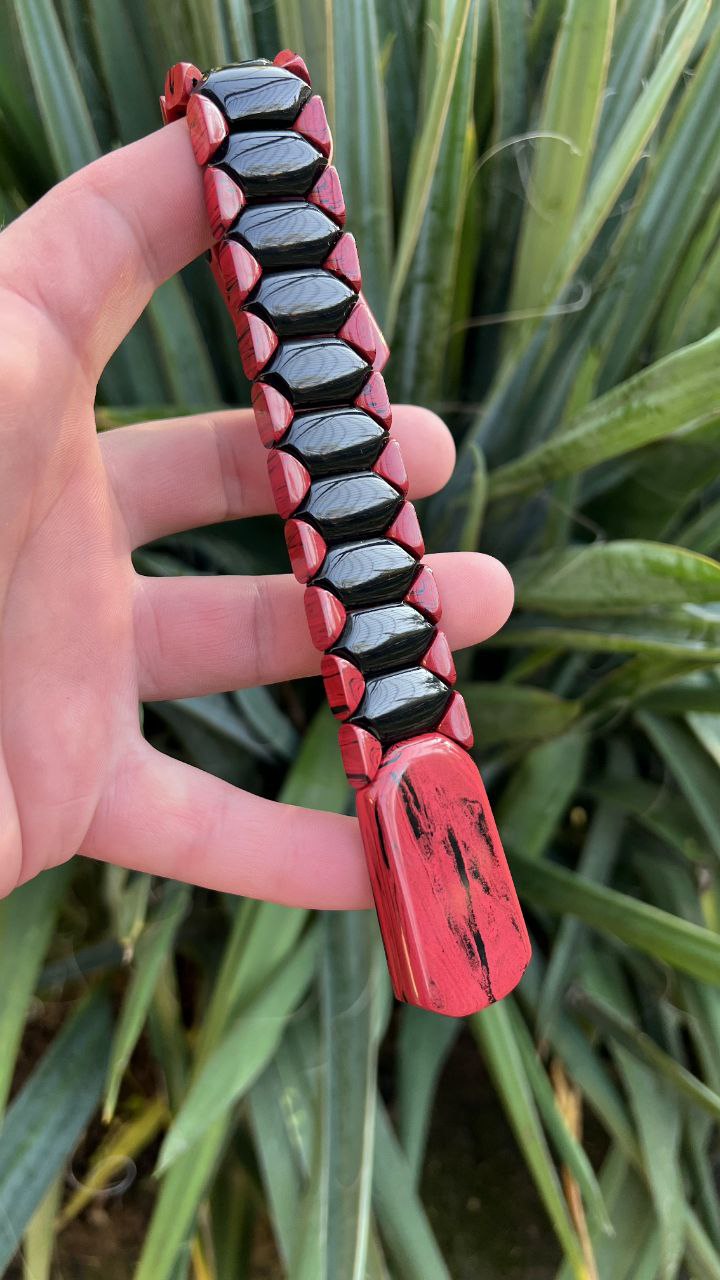
Among all Classic Pogons, my personal favorites are made from Soviet rod ebonite MaterialSoviet ebonite (USSR)Soviet ebonite (USSR): properties, tactile character and handmade catalog pieces. with the original outer skin retained. In my view, this material has a special character, a pleasant tactile quality and one of the softest movements during spinning.
Sergey Baga
Cookies & privacy
We use analytics (Google Analytics, Yandex Metrica) and advertising (Google Ads) cookies to improve your experience. They are only set with your consent. You can change your choice at any time. Learn more