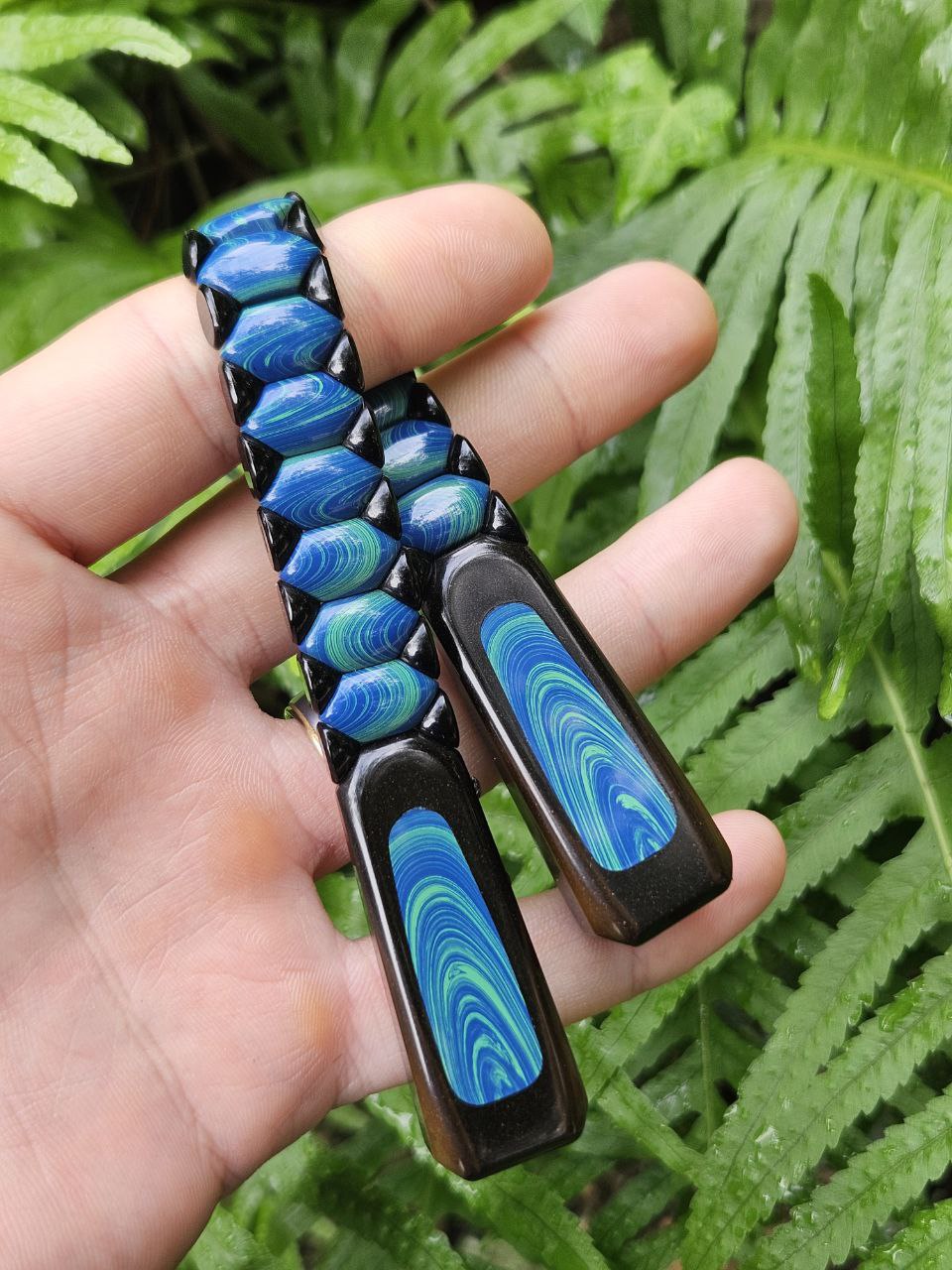
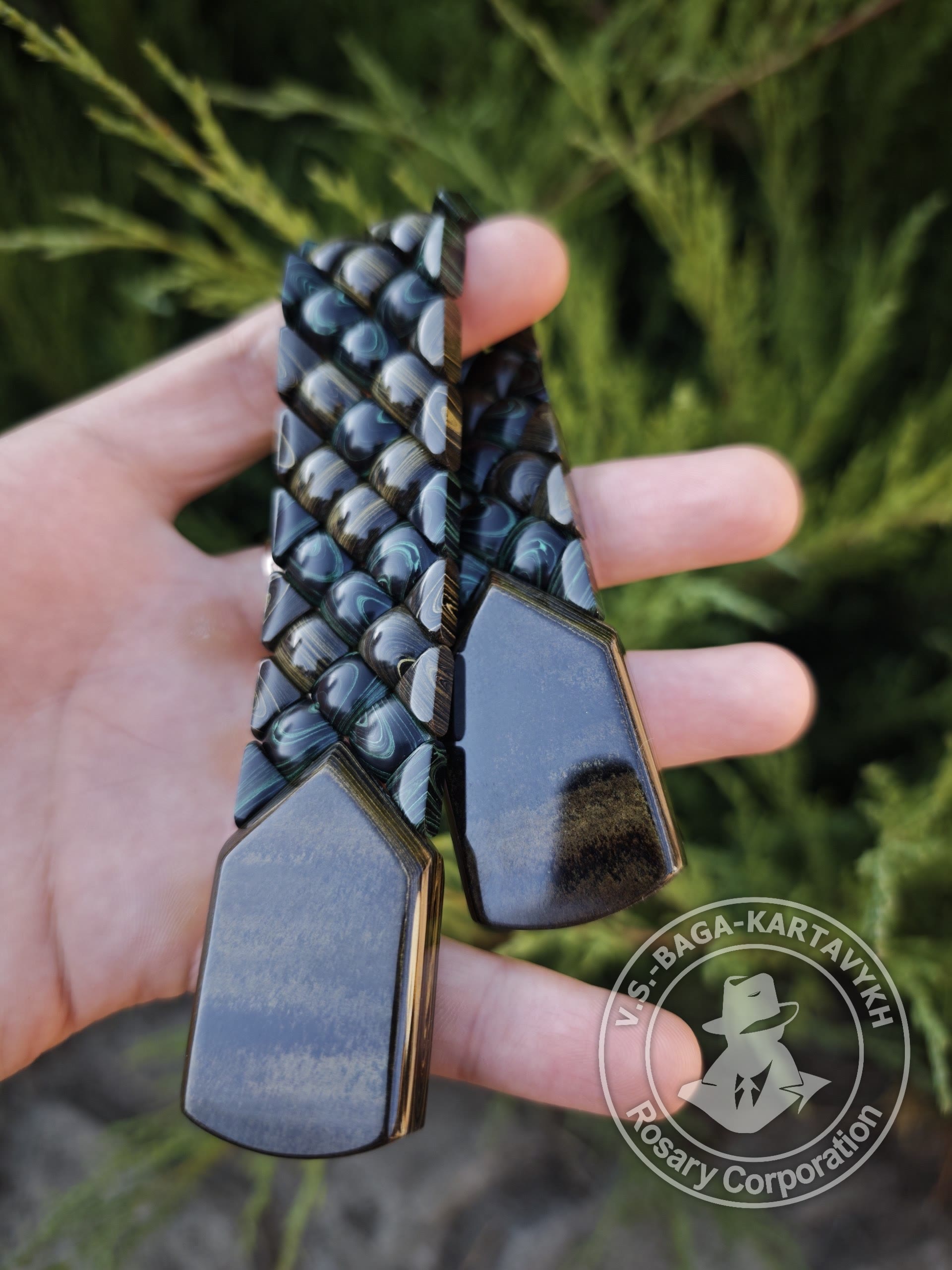
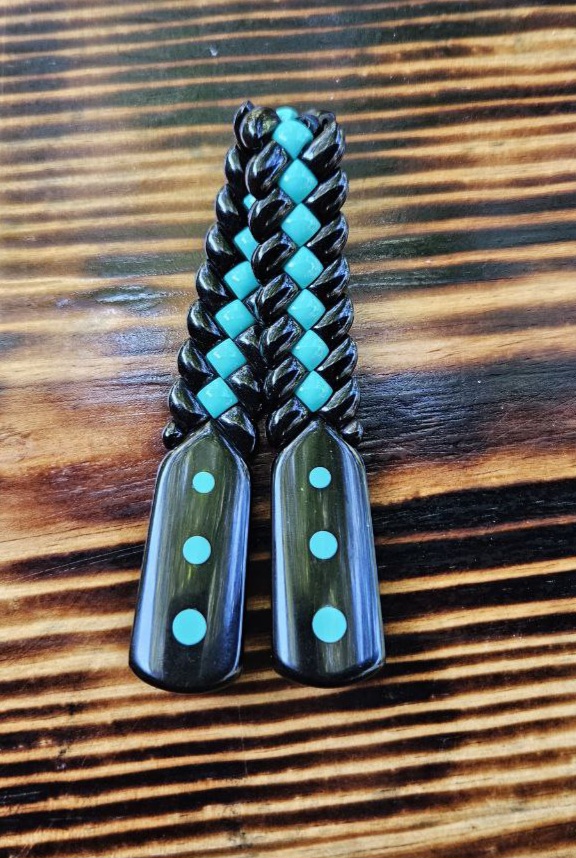
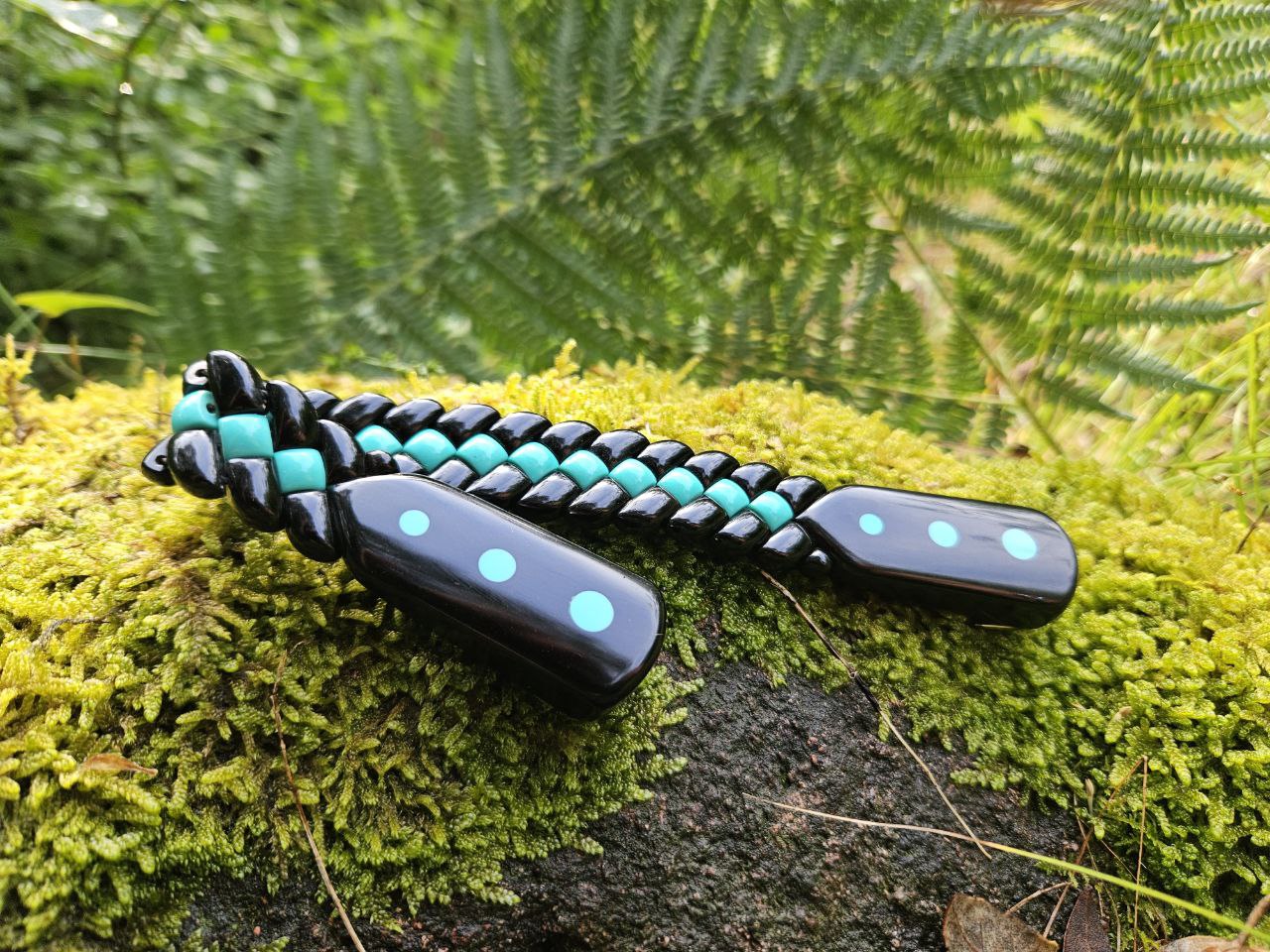
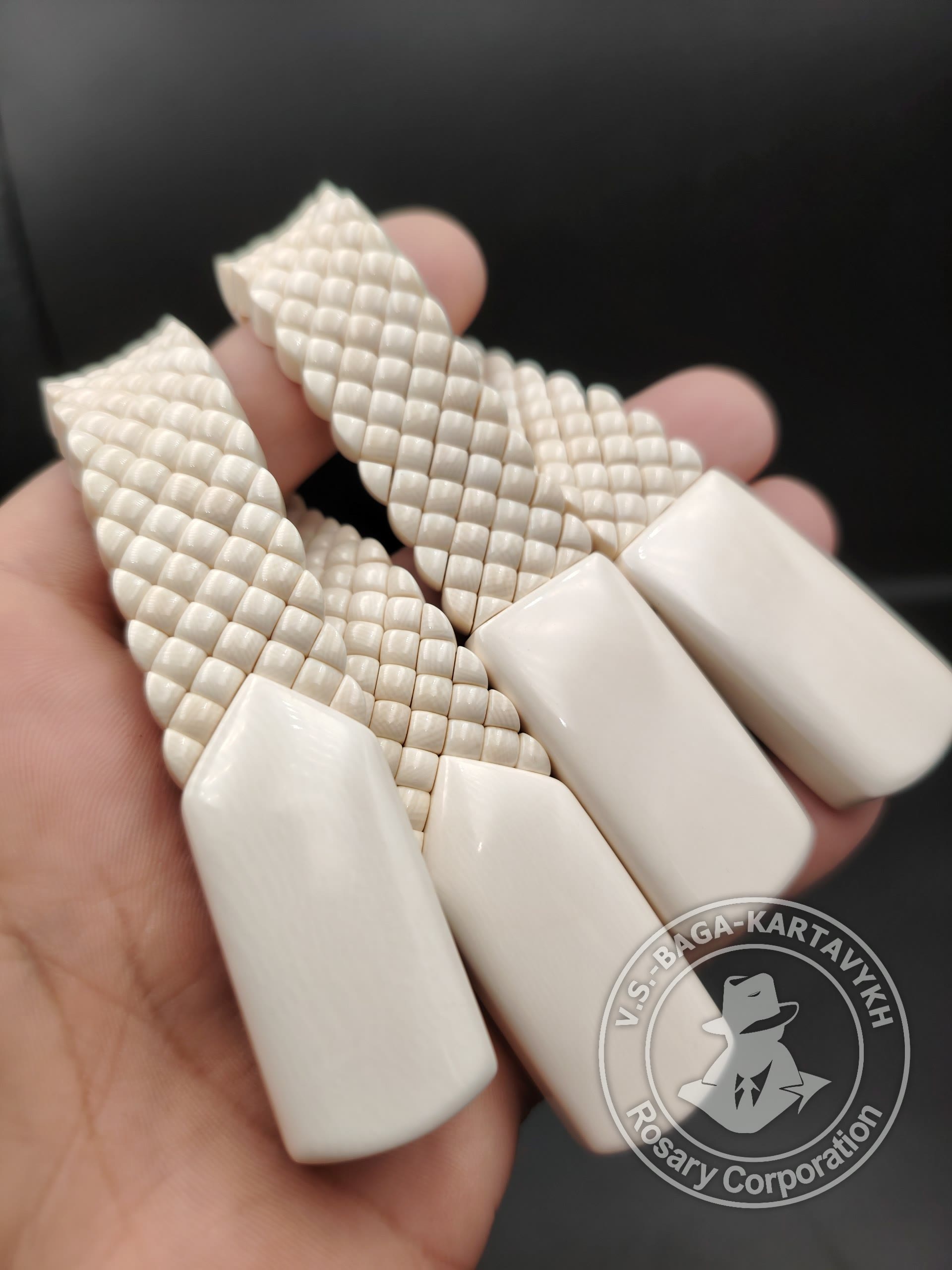
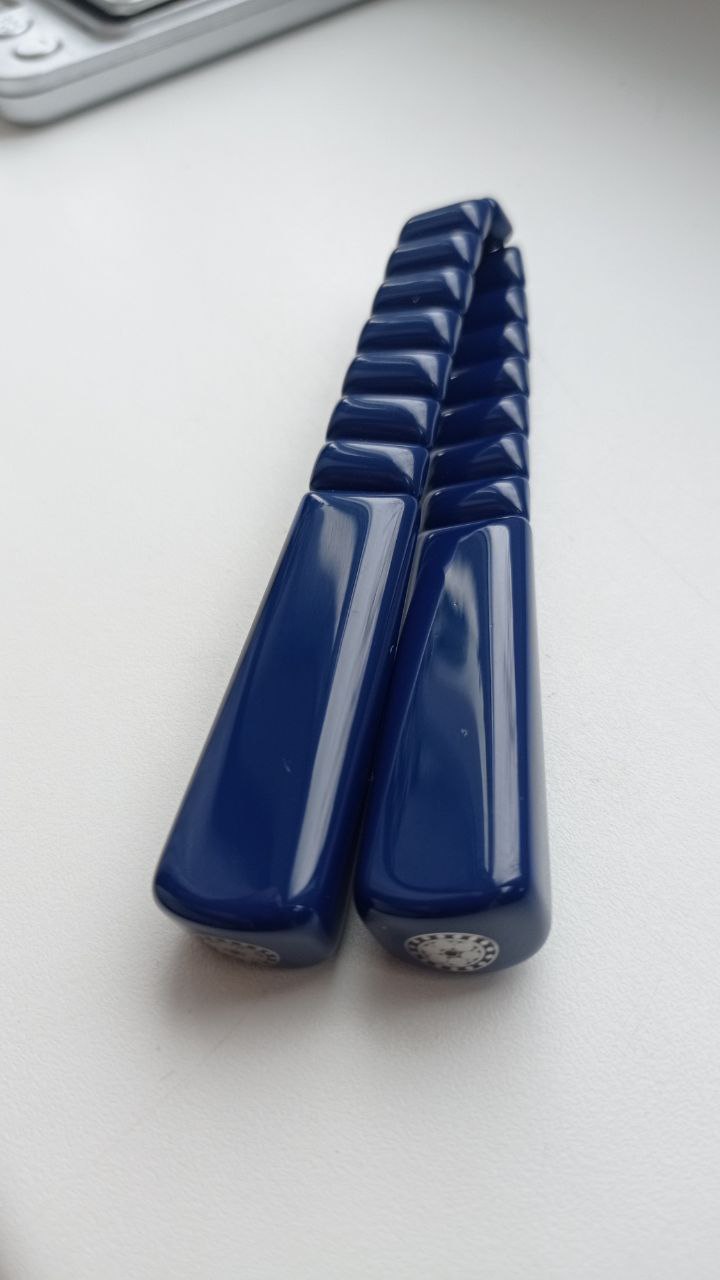
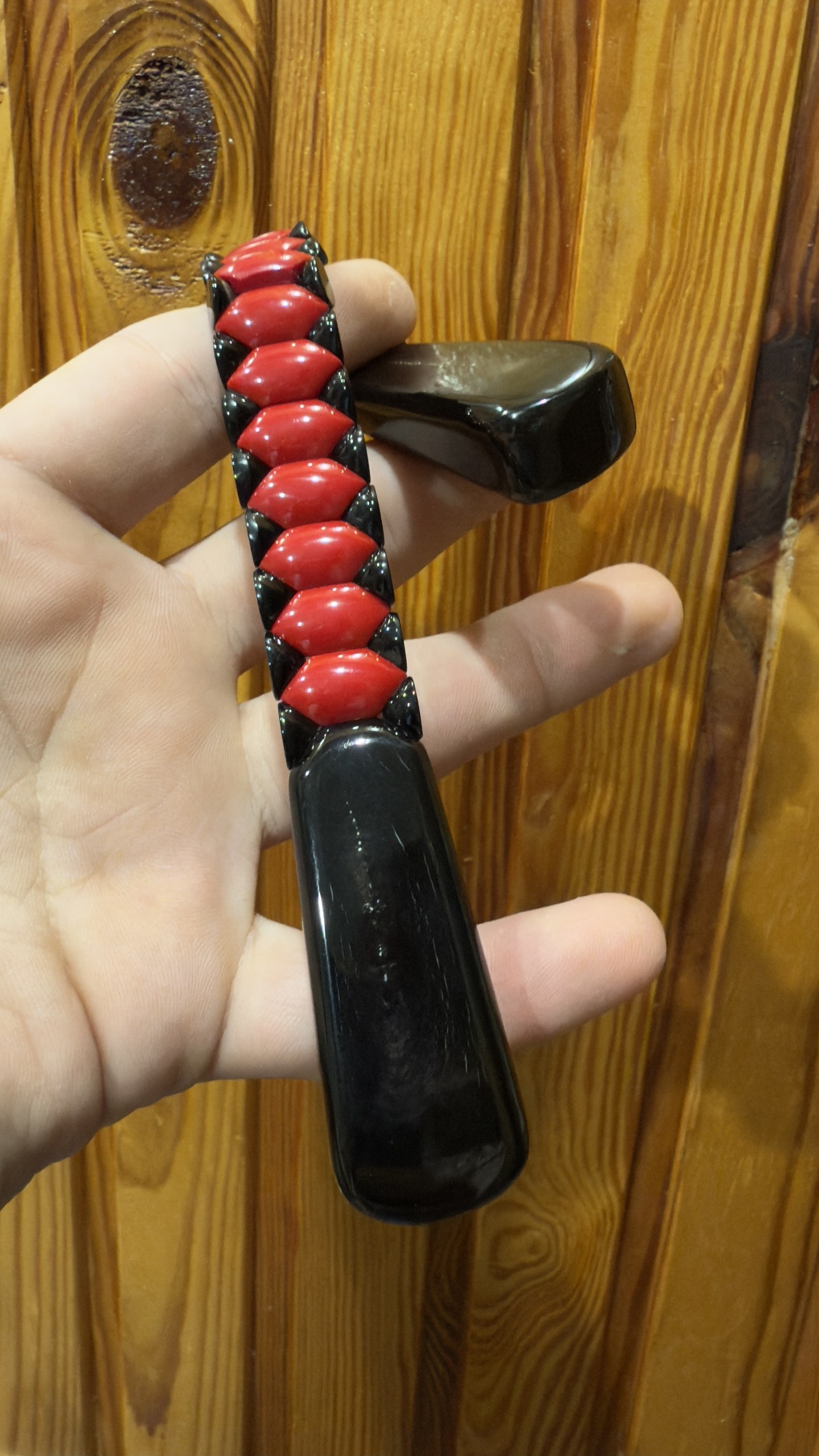
07 The first Mini Hexagonal Pogon, made from limited-edition German colored ebonite MaterialGerman colored eboniteGerman colored ebonite: properties, tactile character and handmade catalog pieces. by SEM and Soviet ebonite MaterialSoviet ebonite (USSR)Soviet ebonite (USSR): properties, tactile character and handmade catalog pieces. . Piece no. 269 in the worry-bead catalog. Made by Zhenya Kartavykh. Model reference
Model: Mini Hexagonal pogon
Detailed model description
The Mini Hexagonal Pogon consists of three rows. The word “hexagonal” comes from the central link, which is shaped with six facets. This construction gave the model its name.
The Mini Hexagonal Pogon is a reduced version of the standard Hexagonal Pogon ModelHexagonal pogonHexagonal Pogon worry beads: three-row construction, cord replacement, helicopter technique, drilling and collector advice. .
Mini models form a distinct group of worry beads. They are smaller versions of existing designs. Almost any popular model can be made in miniature while preserving its form, construction and spinning character.
A standard Hexagonal Pogon ModelHexagonal pogonHexagonal Pogon worry beads: three-row construction, cord replacement, helicopter technique, drilling and collector advice. is normally about 21 mm wide, while a Mini Hexagonal Pogon measures approximately 18.5 to 15 mm across.
Reducing the width also reduces every individual link. To retain the standard overall length of roughly 22 cm, the maker has to increase the number of rows and links.
The larger number of links makes the model considerably more flexible, softer and especially comfortable during spinning.
Features and intended use
The model is defined by its narrower construction when compared with the standard Hexagonal Pogon ModelHexagonal pogonHexagonal Pogon worry beads: three-row construction, cord replacement, helicopter technique, drilling and collector advice. .
Its reduced width requires more rows and links, producing a softer and smoother movement during spinning.
Another characteristic feature is the substantial end pieces. They are often much longer than those on a standard Hexagonal Pogon ModelHexagonal pogonHexagonal Pogon worry beads: three-row construction, cord replacement, helicopter technique, drilling and collector advice. and can reach 50 mm. This gives the model its recognizable appearance, improves its balance and makes many techniques more comfortable.
Additional information based on collectors’ real-world experience
The following information is based on the real experience of collectors and makers in the world of worry beads.
In 2024, the Hexagonal Pogon ModelHexagonal pogonHexagonal Pogon worry beads: three-row construction, cord replacement, helicopter technique, drilling and collector advice. was at the peak of its popularity. We were not alone in saying so: many other makers and collectors shared the same view. Demand remained high throughout the year, yet no one had proposed a reduced version of the model.
A Mini Classic Pogon ModelMini Classic PogonMini Classic Pogon worry beads: construction, comparison with the Classic Pogon and Narkomanki, spinning characteristics and material selection. already existed at the time and had shown that smaller versions could be considerably more comfortable and interesting than their originals.
Mini Classic Pogon ModelMini Classic PogonMini Classic Pogon worry beads: construction, comparison with the Classic Pogon and Narkomanki, spinning characteristics and material selection. made from Soviet ebonite MaterialSoviet ebonite (USSR)Soviet ebonite (USSR): properties, tactile character and handmade catalog pieces. and an Aramith billiard ball MaterialAramith billiard ballAramith billiard ball: properties, tactile character and handmade catalog pieces. . Piece no. 20 in the worry-bead catalog. Made by Zhenya Kartavykh.
Author’s own words
One day I had a dream: a Mini Hexagonal Pogon. In the dream it was made from Soviet ebonite MaterialSoviet ebonite (USSR)Soviet ebonite (USSR): properties, tactile character and handmade catalog pieces. and a limited-edition German colored ebonite MaterialGerman colored eboniteGerman colored ebonite: properties, tactile character and handmade catalog pieces. produced by SEM.
When I woke that morning, the first thing I did was call the maker Zhenya Kartavykh. I described the dream in detail and explained the future model completely.
After some time, the dream became real. Its physical form can be seen in piece no. 269 of our worry-bead catalog.
This was exactly the Mini Hexagonal Pogon I had seen in the dream.
It was the first Mini Hexagonal Pogon in the world of worry beads.
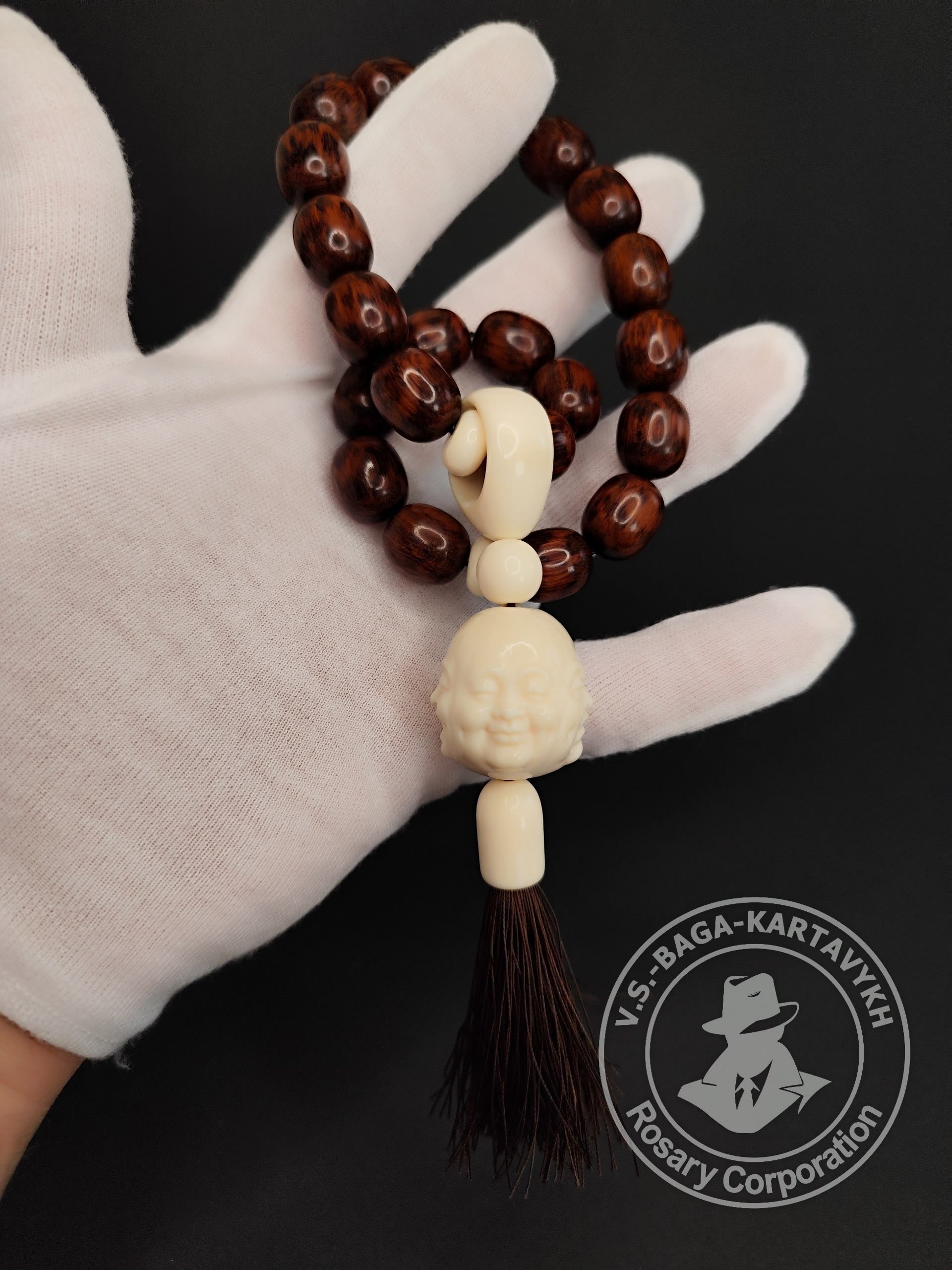
The model gradually gained popularity. It became especially appreciated by admirers of organic materials such as grenadill, Pink Ivory, water buffalo horn MaterialWater buffalo hornWater buffalo horn: properties, tactile character and handmade catalog pieces. , mammoth ivory MaterialMammoth ivoryMammoth ivory: properties, tactile character and handmade catalog pieces. , elephant ivory MaterialElephant ivoryElephant ivory: properties, tactile character and handmade catalog pieces. and sperm-whale tooth MaterialSperm whale toothSperm whale tooth: properties, tactile character and handmade catalog pieces. .
Sometimes dreams really do become tangible objects.
This is how the first Mini Hexagonal Pogon appeared, created by the maker Zhenya Kartavykh.
The first Mini Hexagonal Pogon, made from limited-edition German colored ebonite MaterialGerman colored eboniteGerman colored ebonite: properties, tactile character and handmade catalog pieces. by SEM and Soviet ebonite MaterialSoviet ebonite (USSR)Soviet ebonite (USSR): properties, tactile character and handmade catalog pieces. . Piece no. 269 in the worry-bead catalog. Made by Zhenya Kartavykh.
Video note. In this video I call the model the “ Hexagonal Pogon ModelHexagonal pogonHexagonal Pogon worry beads: three-row construction, cord replacement, helicopter technique, drilling and collector advice. Narkomanki ModelNarkomankiA collector’s guide to Narkomanki worry beads: link and end-piece dimensions, the name’s history, spinning characteristics and material recommendations. ”. That informal name is still heard among worry-bead enthusiasts and remains part of everyday conversation.
On this site, however, we use the official name “Mini Hexagonal Pogon” so that readers can understand the model classification more easily and avoid confusion.
For curious readers, the connection between the Hexagonal Pogon ModelHexagonal pogonHexagonal Pogon worry beads: three-row construction, cord replacement, helicopter technique, drilling and collector advice. and the Narkomanki ModelNarkomankiA collector’s guide to Narkomanki worry beads: link and end-piece dimensions, the name’s history, spinning characteristics and material recommendations. model is straightforward. Narkomanki ModelNarkomankiA collector’s guide to Narkomanki worry beads: link and end-piece dimensions, the name’s history, spinning characteristics and material recommendations. are distinguished by their very narrow construction and long, substantial end pieces.
In essence, the Mini Hexagonal Pogon is a standard Hexagonal Pogon ModelHexagonal pogonHexagonal Pogon worry beads: three-row construction, cord replacement, helicopter technique, drilling and collector advice. that fully retains the form of its links and its overall appearance while adopting the character of Narkomanki ModelNarkomankiA collector’s guide to Narkomanki worry beads: link and end-piece dimensions, the name’s history, spinning characteristics and material recommendations. : a narrower body and long, substantial end pieces.
For a complete understanding of this relationship, we also recommend the Hexagonal Pogon ModelHexagonal pogonHexagonal Pogon worry beads: three-row construction, cord replacement, helicopter technique, drilling and collector advice. and Narkomanki ModelNarkomankiA collector’s guide to Narkomanki worry beads: link and end-piece dimensions, the name’s history, spinning characteristics and material recommendations. reference cards.
Model comparison
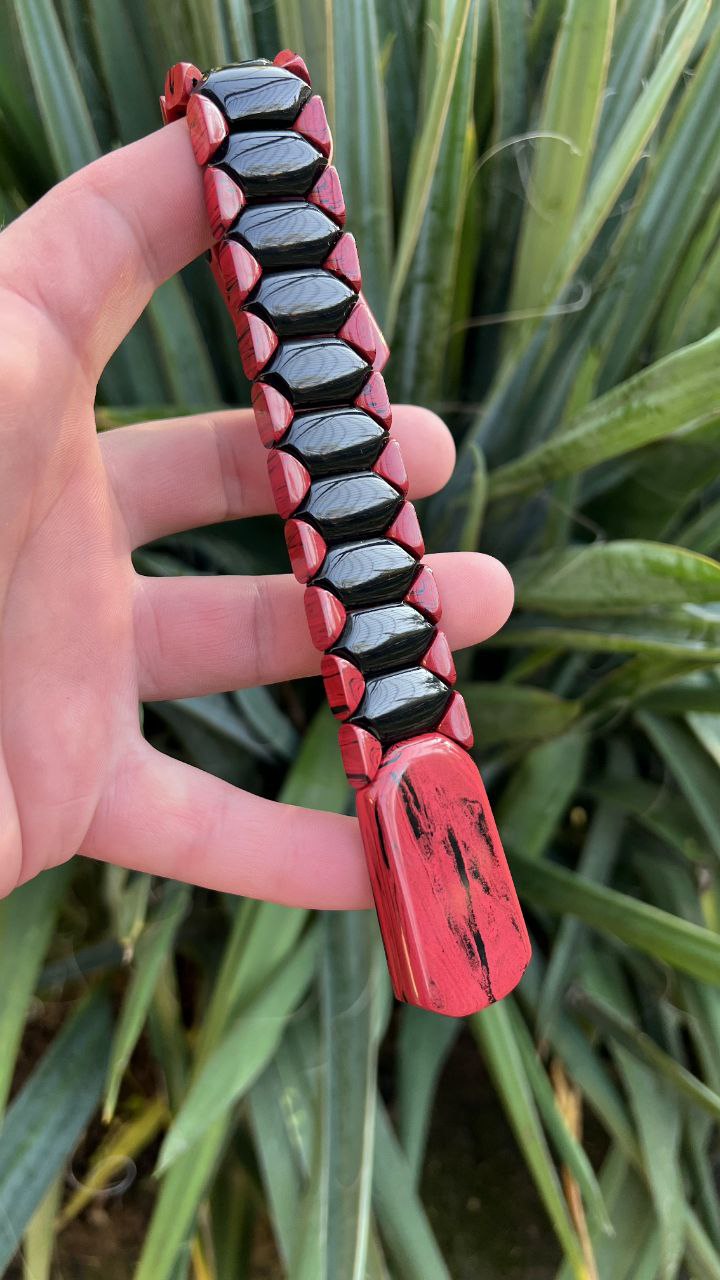
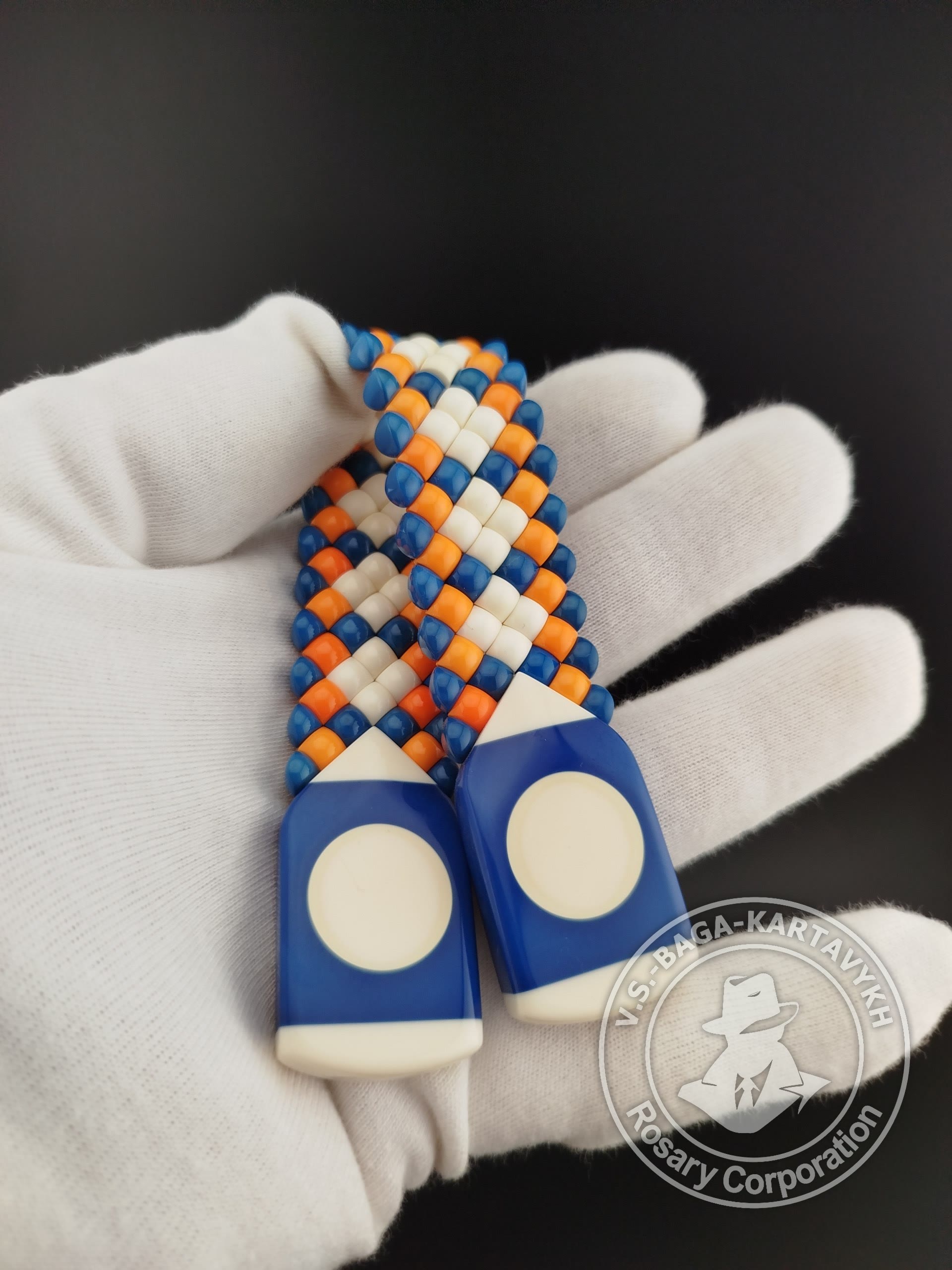
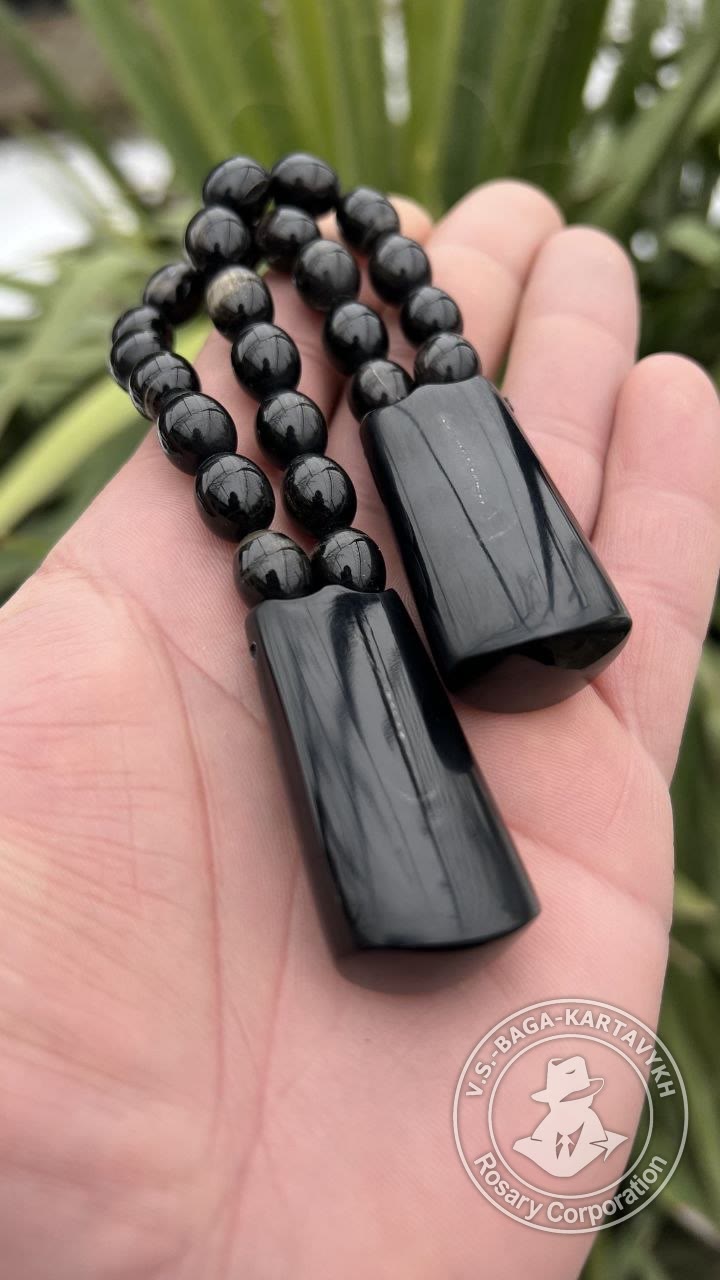
Standard Hexagonal Pogon ModelHexagonal pogonHexagonal Pogon worry beads: three-row construction, cord replacement, helicopter technique, drilling and collector advice. Narkomanki ModelNarkomankiA collector’s guide to Narkomanki worry beads: link and end-piece dimensions, the name’s history, spinning characteristics and material recommendations. Mini Hexagonal Pogon
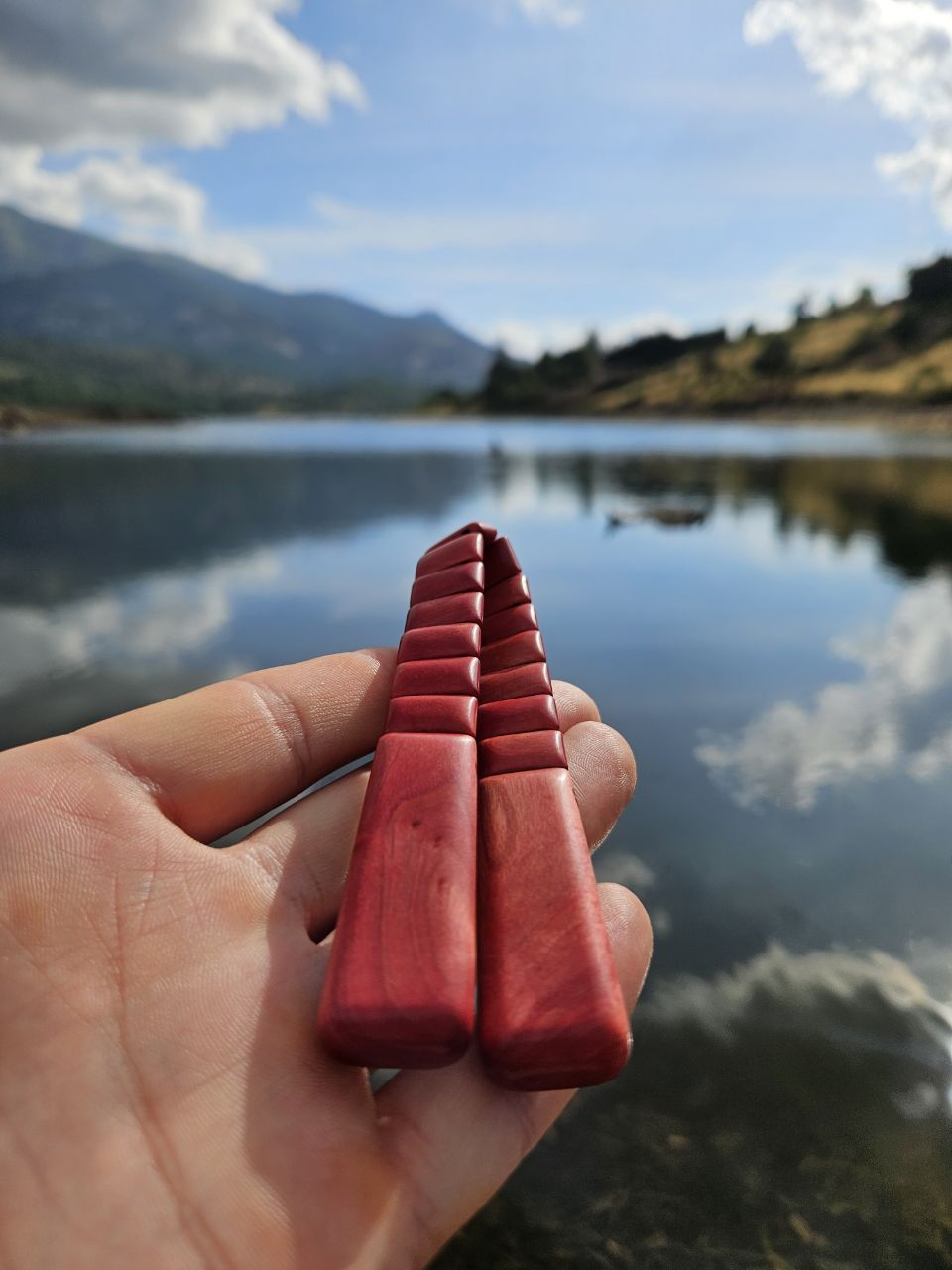
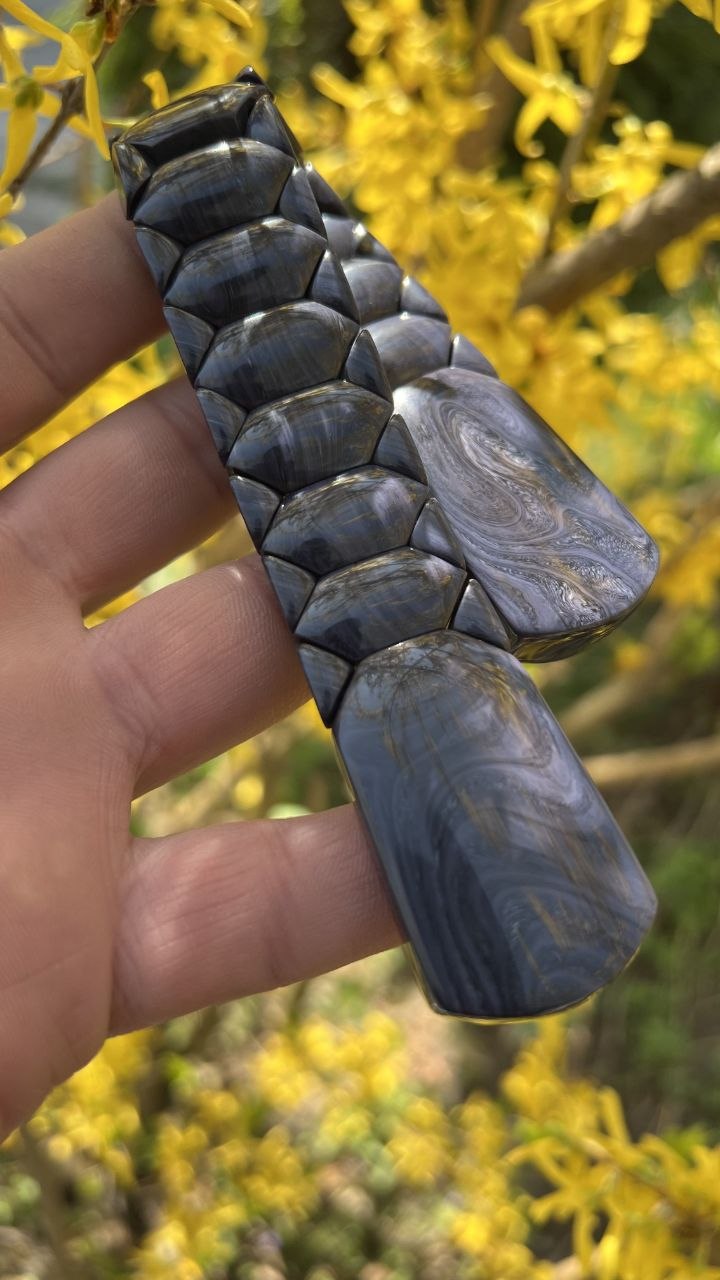
These photographs are placed together so that the three models can be compared directly and their shared elements can be seen at a glance. They show how the standard Hexagonal Pogon ModelHexagonal pogonHexagonal Pogon worry beads: three-row construction, cord replacement, helicopter technique, drilling and collector advice. and Narkomanki ModelNarkomankiA collector’s guide to Narkomanki worry beads: link and end-piece dimensions, the name’s history, spinning characteristics and material recommendations. intersect and how the Mini Hexagonal Pogon emerged from that relationship.
Cookies & privacy
We use analytics (Google Analytics, Yandex Metrica) and advertising (Google Ads) cookies to improve your experience. They are only set with your consent. You can change your choice at any time. Learn more